
Upper eyelid surgery: what to expect
Heavy, hooded eyelids? A consultant plastic surgeon explains upper blepharoplasty: who it suits, the day of surgery, recovery and results.
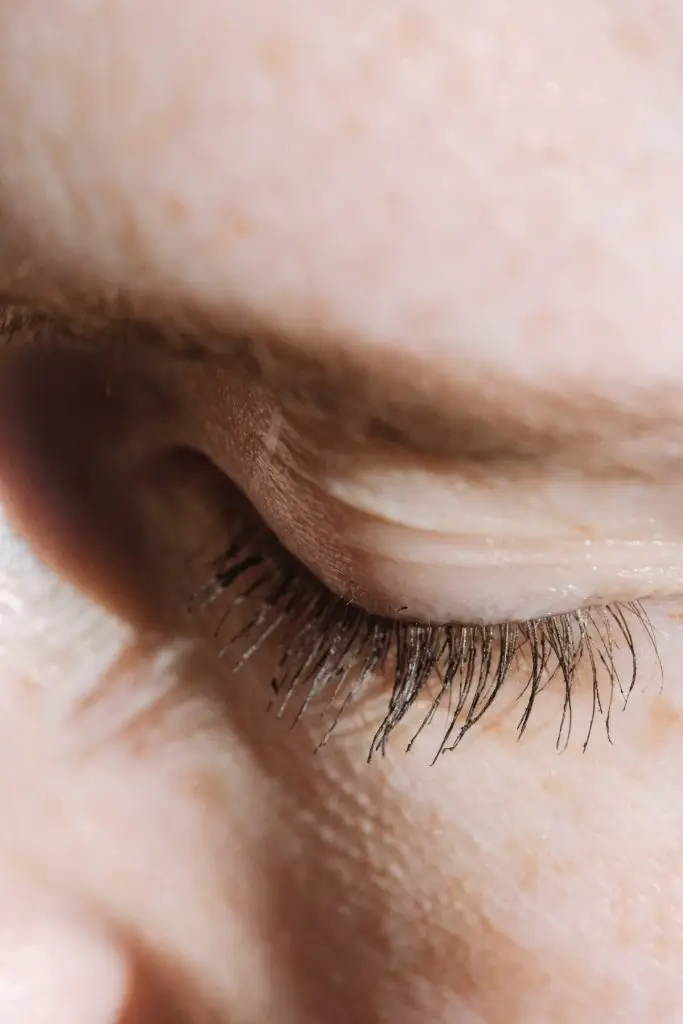
Heavy, hooded upper eyelids are one of the most common reasons people come to see me. For some it is about looking tired all the time, even after a good night’s sleep. For others the extra skin has started to get in the way of their vision, especially when reading, working at a screen or driving. Upper eyelid surgery, also called upper blepharoplasty, is a short, well-established operation that can help with both.
This guide explains who it suits, what happens on the day, what recovery is really like and how to decide whether it is right for you.
What is upper eyelid surgery?
Upper blepharoplasty removes the excess skin, and sometimes a small amount of fat, that forms a fold or “hood” over the upper eyelid. The incision sits in the natural crease of the eyelid, so once healed the scar is usually very well hidden.
It is different from lower eyelid surgery, which treats bags and loose skin under the eyes, and from a brow lift, which raises a low or heavy brow. Sometimes a low brow is part of the problem, so this is one of the first things I assess at your consultation.
Am I a good candidate?
You may benefit from upper eyelid surgery if:
- the skin on your upper eyelids folds over your lashes or lies on them
- your eyes look heavy or tired, often most noticeable on video calls and photos
- eye make-up is difficult to apply or smudges in the fold
- the excess skin narrows your field of vision, particularly to the sides and above
- the folds feel sore or irritated
Good candidates are generally in good health, do not smoke (or are willing to stop around the time of surgery) and have realistic expectations. If you have dry eyes, thyroid eye disease or have had eye surgery before, it is important to mention this, as it may change the plan.
Your consultation
At your consultation we talk about what bothers you and what you would like to achieve. I examine your eyelids, brow position, skin quality and how your eyes close, and check for dry eye. We then agree a plan, discuss the risks and recovery, and I will answer every question you have before you decide anything. You will receive a clear written quote afterwards.
What happens on the day
- Anaesthetic: the operation can be done with you awake and the eyelids numbed with local anaesthetic, or with you asleep under general anaesthetic.
- Length: surgery usually takes around 60 minutes.
- Going home: you go home the same day. You will need someone to drive you.
Recovery: a realistic timeline
First 48 hours
Expect some swelling, bruising and a tight feeling around the eyes. Cold compresses, resting with your head raised and simple pain relief help. You can usually shower after 24 hours.
The first week
Bruising and swelling settle steadily. Sleep on your back with your head raised for about 7 days, and avoid heavy lifting and strenuous exercise. Your stitches are removed at around 7 days.
After a week
By the time the stitches are out, most of the bruising has faded and most people return to work, driving and exercise. The scar continues to soften and fade over the following months, and the final result is usually seen at around three months.
Are there any risks?
Most patients have few or no problems after surgery. As with any operation, there are risks, which I discuss with you in detail. They include discomfort, bruising, swelling, bleeding, infection, slow wound healing, asymmetry, dry or watery eyes, and occasionally the need for a revision. Some people find their eyes do not close fully at night for a short time after surgery (lagophthalmos), which usually settles as healing progresses.
How long do the results last?
Results are long-lasting. The skin that is removed does not come back, although natural ageing continues, so many people enjoy a fresher, more open look for many years.
How much does it cost?
Upper eyelid surgery has a guide price from 2,995. Your final fee depends on your treatment plan and the hospital you choose, and is confirmed in a formal written quote after your consultation. See our fees page for what package prices usually include.
If the excess skin is affecting your vision, some health insurers may consider surgery, so it is worth checking your policy. Your insurer will need my full name, Mr Siva Kumar Veeramani, and my GMC number, 6114710.
Frequently asked questions
Will people be able to see the scar?
The scar sits in the natural crease of the upper eyelid, so once it has healed it is usually very hard to see, even when your eyes are closed.
Is upper eyelid surgery painful?
Most people describe it as uncomfortable rather than painful. The area is numbed during surgery, and simple pain relief is usually enough afterwards.
How soon can I go back to work?
Most people return to work after about 7 days, once the stitches are out. If your job involves heavy lifting, you may need a little longer.
Can I have my lower eyelids done at the same time?
Yes, upper and lower eyelid surgery can be combined. We can discuss whether that would help at your consultation.
Next steps
If heavy upper eyelids are bothering you, the best next step is a consultation, in person at one of our clinics or by video. You can read more on the upper eyelid surgery page.
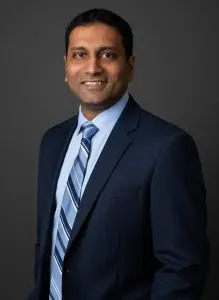
Mr Siva Kumar Veeramani
MBBS, BMed.Sci (Hons), MRCS, MBA, FRCS (Plast.). Consultant Plastic, Reconstructive & Cosmetic Surgeon practising across London, Kent, Surrey and Sussex. GMC 6114710.
About Mr Siva Kumar →