When can I drive after a facelift?
Most people can drive again two to three weeks after a facelift. Here is why it takes that long, and how to tell when you are ready.


The short answer: usually two to three weeks after a facelift. Not because driving is bad for the healing, but because you need to be able to turn your head freely, see clearly and react quickly. In the first fortnight most people simply can not do that safely.
Why it takes two to three weeks
There are three practical reasons.
Turning your head. After a facelift the face and neck feel tight. Swelling peaks at around two to three days and then settles, but for the first couple of weeks turning to check a blind spot or look over your shoulder at a junction is uncomfortable, and many people stiffen up and avoid it. That is not safe.
Swelling around the eyes. Bruising and swelling can track down from the face and puff up the eyelids for the first week or so. Even mild swelling can narrow your field of view.
Painkillers. Some painkillers make you drowsy, and you should not drive while taking anything that affects your concentration.
How to tell you are ready
Before your first drive, sit in the car with the engine off and check honestly:
- Can you turn your head fully to both sides without pain or hesitation?
- Can you see clearly, with no swelling narrowing your vision?
- Have you stopped any painkillers that make you drowsy?
- Could you do an emergency stop right now?
If the answer to any of these is no, give it a few more days. Start with a short, familiar journey rather than the motorway.
It is also worth checking your insurance policy. Some insurers have their own rules about driving after surgery, and it is better to know before you need to.
What can change the timing
Adding other procedures. A facelift is often combined with a neck lift or eyelid surgery. A neck lift on its own usually means about two weeks before driving. Upper eyelid surgery alone is usually about seven days. When they are done together, it is the combined recovery that counts, so plan for the longer end.
How you heal. Some people bruise more than others. Smoking slows healing a great deal, which is one of several reasons I ask patients to stop at least six weeks before and after surgery.
Plan your lifts in advance
You will stay one night in hospital after a facelift, so you need someone to take you home. Your stitches come out after about a week, and that appointment falls before most people can drive. Arrange lifts for both before your surgery date, so you are not tempted to drive before you are ready.
The rest of the recovery
Most people return to desk work between two and four weeks, and to exercise and normal sleeping positions from around four to six weeks. Remaining swelling settles over the following months.
If you are planning a facelift, I will go through a realistic timeline with you at your consultation, based on your work, your family and how you get around. There is more about the operation on my facelift page.
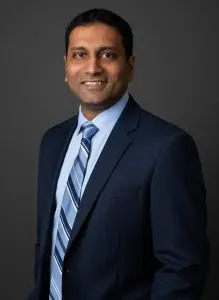
Mr Siva Kumar Veeramani
MBBS, BMed.Sci (Hons), MRCS, MBA, FRCS (Plast.). Consultant Plastic, Reconstructive & Cosmetic Surgeon practising across London, Kent, Surrey and Sussex. GMC 6114710.
About Mr Siva Kumar →