Treatments / Skin / BCC treatment
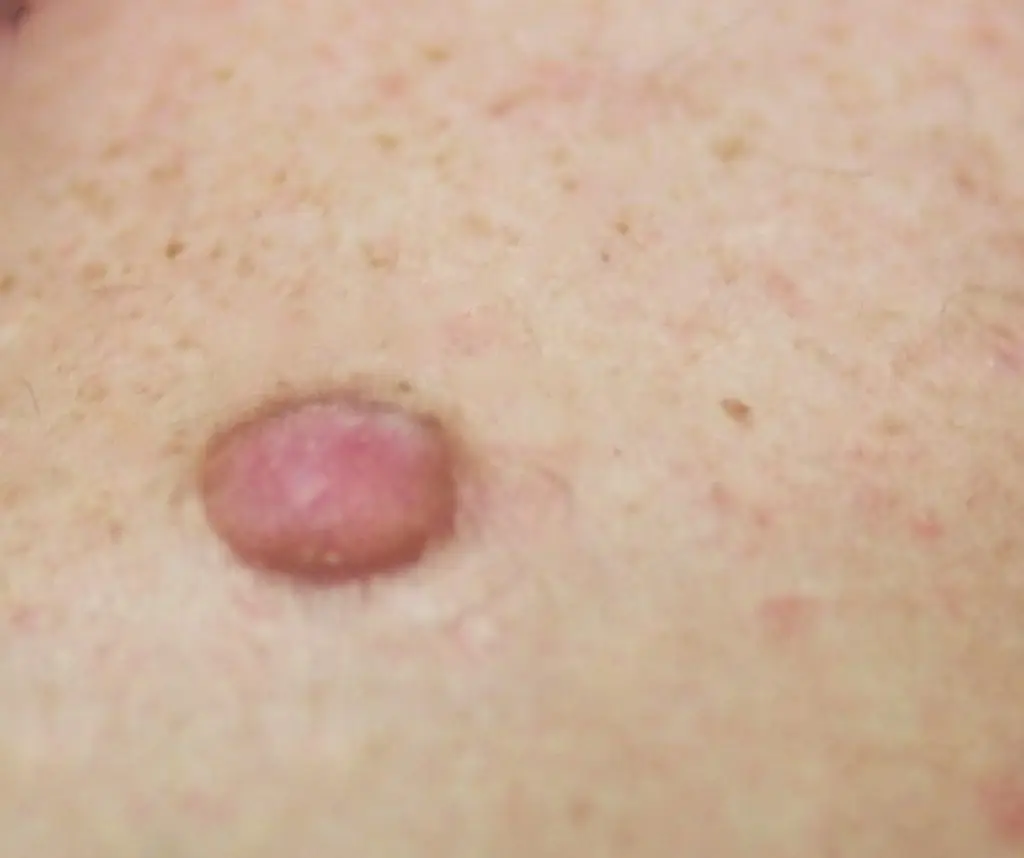
Basal cell carcinoma (BCC)
Basal Cell Carcinoma (BCC) Treatment in Kent, Surrey, Sussex and London
Removing BCC with care for how it looks
Surgical excision and reconstruction of basal cell carcinoma with Mr Siva Kumar, including same-day reconstruction after Mohs surgery.
At a glance
About BCC
The most common skin cancer, very treatable
Basal cell carcinoma (BCC) is the most common type of skin cancer. It rarely spreads, but if left untreated it slowly grows and can damage the surrounding skin and tissue.
Surgical excision removes the BCC with a margin of normal skin, which is then examined in the laboratory to confirm it has been fully removed. Most are done under local anaesthetic.
As a plastic surgeon, Mr Kumar plans the closure carefully, especially on the face, using direct closure, a local flap or a skin graft for the best possible appearance.
Treatment aims to
- Remove the BCC completely
- Confirm clear margins in the laboratory
- Repair the area with the best possible cosmetic result
Options
Treatment and reconstruction
Surgical excision
The BCC is removed with a margin of normal skin and the wound stitched.
- Best for: most BCCs
Read more about surgical excision
What happens
The area is numbed with local anaesthetic, so you are awake but should not feel pain. Mr Kumar removes the BCC with a margin of normal-looking skin around it, usually a few millimetres, to make sure the edges are clear. Most procedures take 30 to 90 minutes, and you go home the same day.
Closing the wound
Most wounds are closed directly with stitches. So that the skin lies flat, the wound is shaped as a narrow ellipse, which means the final scar is usually around three times longer than the BCC itself. Mr Kumar lines it up with natural creases where possible. If the wound is too large to close this way, a local flap or skin graft is used instead.
Checking it has all gone
The tissue is sent to the laboratory, where a pathologist confirms the type of BCC and checks that the margins are clear. Results usually take two to three weeks, and Mr Kumar goes through them with you. If any BCC is found at an edge, a small further excision or Mohs surgery may be recommended.
Recovery
- Keep the dressing clean and dry for the first day or two.
- Stitches come out after 5 to 14 days, sooner on the face.
- Avoid heavy exercise or stretching the area while it heals.
- The scar is pink at first and fades over 3 to 12 months.
When is excision a good choice?
Surgical excision suits most BCCs, particularly those with clear edges on the body, arms and legs, and many on the face. It treats the cancer in a single visit and provides a tissue sample to confirm the diagnosis.
Mohs surgery and reconstruction
Mohs surgery is carried out by a specialist dermatologist, and Mr Kumar performs the plastic surgery reconstruction on the same day.
- Best for: BCCs on the face or with unclear edges
Read more about Mohs surgery
How Mohs surgery works
Mohs micrographic surgery is carried out by a specialist Mohs dermatologist under local anaesthetic. The visible BCC is removed with a very thin layer of surrounding skin. While you wait, that layer is processed and examined under the microscope, with every edge checked. If any BCC remains, only that exact area is removed in a further layer, and the process is repeated until the margins are clear.
Why it is used
- It removes as little healthy skin as possible, which matters on the nose, eyelids, lips and ears.
- Every margin is checked on the day, so it has very high cure rates, especially for BCCs that have come back or have unclear edges.
- It is particularly useful for larger BCCs or those with an aggressive growth pattern.
On the day
Because each layer is checked before the next step, Mohs surgery can take several hours, so please plan to be there for most of the day. Bring something to read, and take your usual medication unless you are told otherwise.
Same-day reconstruction
Once the margins are clear, Mr Kumar repairs the wound on the same day. Depending on its size and position, he closes it directly or uses a local flap or skin graft, planning the repair around the natural lines and contours of the face for the most natural result.
Recovery
- Expect some swelling and bruising for the first few days, particularly around the eyes.
- Stitches on the face are usually removed after 5 to 7 days.
- Scars continue to settle and fade for 12 to 18 months.
Skin graft or local flap
Used when the wound cannot be closed directly, to restore the area as naturally as possible.
- Best for: larger or awkwardly placed wounds
Read more about skin grafts and local flaps
Local flaps
A local flap moves nearby skin, still attached to its own blood supply, into the wound. Because the skin comes from right next to the wound, it matches the colour, texture and thickness of the surrounding skin very well. This is why flaps are often the first choice on the face, for example on the nose, cheek, lip or forehead.
The skin is advanced, rotated or transposed into place, and the scars are planned to sit in natural creases and lines where possible. The final scar is usually longer than the original wound, but often less noticeable.
Skin grafts
A skin graft is a thin layer of skin taken from another part of the body and placed over the wound, where it picks up a new blood supply over the following week.
- Full-thickness graft: taken from an area with spare skin, such as in front of or behind the ear, the neck or above the collarbone. The donor site is stitched closed. Used for smaller wounds, especially on the face.
- Split-thickness graft: a very thin shaving of skin, usually from the thigh, for larger wounds. The donor site heals like a graze over about two weeks.
Which is right for you?
Mr Kumar chooses the best option based on the size and position of the wound, your skin and your general health, and explains the plan before your operation. Reconstruction is usually done at the same operation as the removal, or on the same day after Mohs surgery.
Recovery
- A padded dressing protects a graft for 5 to 7 days and must be kept dry.
- Stitches are usually removed after 5 to 14 days, depending on the area.
- Swelling and redness settle over several weeks, and scars keep improving for 12 to 18 months.
- Please avoid smoking, which reduces the blood supply and increases the risk of a graft or flap not healing.
Specific risks
These include bleeding, infection, part of a graft or flap not surviving, a difference in colour or contour, a raised or puffy appearance of a flap, and occasionally the need for further treatment such as scar massage, a steroid injection or a minor revision.
Watch & read
Everything you need to know, in one place
Patient guide
Basal cell carcinoma: your patient guide
A detailed booklet written by Mr Kumar. It explains the procedure in depth, how to prepare, every risk and complication, and how to look after yourself afterwards.
Opens as a booklet you can flick through. Your copy is also given to you at consultation.
Your journey
Your step-by-step journey
Your journey starts the moment you get in touch. From your first enquiry to your final check-up, you deal with the same small team, and you will always feel listened to, informed and never rushed.
Get in touch
Call, email or send an enquiry, or ask your GP or dermatologist to refer you. We aim to see you quickly.
If you are worried about a skin cancer, tell us when you book so we can prioritise your appointment.
Assessment
Mr Kumar examines the area, reviews any biopsy results or scans, and explains your options clearly.
You will receive the plan in writing. Where relevant, your case is discussed with the skin cancer multidisciplinary team (MDT) that Mr Kumar leads.
Your procedure
Most BCCs are removed under local anaesthetic, taking 30 to 90 minutes, and you go home the same day.
You will have clear wound-care instructions and a number to call if anything worries you.
Results
Anything removed is examined in the laboratory, usually within 2–3 weeks.
Mr Kumar goes through the results with you and explains what, if anything, needs to happen next.
Follow-up
A wound check and, where needed, regular skin checks to keep you well in the future.
You will also be shown how to check your own skin and what changes to look out for.
Recovery
Healing, step by step
Everyone heals at their own pace. This is a typical recovery, and Mr Kumar will give you a personal plan.
Keep the dressing clean and dry. Mild soreness is normal.
Stitches removed (earlier on the face).
Laboratory results discussed with you.
The scar softens and fades.
Patient reviews
In their own words
194 verified reviews on Doctify
90 verified reviews on Top Doctors
90 reviews on Top Doctors
I was extremely pleased with the care that I received both before, during and since my procedure with Mr Veeramani. Everything was explained clearly, including all options available to me and I would have no hesitation in recommending him for similar procedures.
Repeating this as my first attempt left the screen! Having quite a large BCC, I was naturally naturally apprensisive but from start all the team were friendly and supportive. Mr Kuma explained the prodeure in a very clear, understandable way and communcation throughout has been excellent. My thanks to Mr. …
I recently had a BCC removed by Mr Kumar, the whole experience was fantastic he explained everything very clearly and i always felt as ease, it is now healing very nicely and i would definitely use Mr Kumar again
Safety
Risks and staying safe
All surgery carries some risk. Mr Kumar will go through these with you in detail, and the patient guide covers them in full, so you can make an informed decision.
Possible risks
- Infection
- Bleeding
- Scarring
- Wound opening
- Incomplete removal needing further surgery
- Numbness around the scar
- Graft or flap healing problems
Lowering your risk
- Protect your skin from the sun
- Check your skin regularly for new or changing spots
- Tell us about all medicines and supplements, especially blood thinners
- Stop smoking and vaping well before and after your procedure
- Follow your aftercare plan and attend every follow-up
- Call us at any time if something does not feel right
Fees
Guide price from£850
Self-pay consultations £250.
One package price. No hidden surprises.
If you go ahead, you receive a single package price covering your whole journey, so you know exactly what you are paying before you commit. It usually includes:
- Your surgeon’s fee
- Procedure room or theatre fees
- Laboratory analysis where needed
- Follow-up and wound check
- Support whenever you need it
- A clear written quote
FAQs
Your questions, answered
Is a BCC dangerous?
BCCs very rarely spread, but they should be treated because they keep growing and can damage nearby tissue.
What is Mohs surgery?
A specialist technique in which the BCC is removed in thin layers and checked under the microscope during the procedure. Mr Kumar then reconstructs the area on the same day.
Will I have a scar?
Yes, but Mr Kumar places and closes it carefully to make it as discreet as possible.
BCC treatment: what is the guide price?
The guide price starts from £850. Your final fee depends on your treatment plan and choice of hospital, and is confirmed in a written quote after consultation. Self-pay consultations cost £250.
Is it covered by insurance?
Treatment for a medical concern is usually covered by private medical insurance, subject to your policy. Your insurer will need Mr Kumar’s full name, Siva Kumar Veeramani, and GMC number 6114710. Self-pay is also available.
Ask the expert
Questions answered
Longer answers from Mr Kumar to questions patients often ask about this treatment.
Locations
Where to have your BCC treatment in Kent, Surrey and Sussex
Mr Siva Kumar is a consultant plastic surgeon at Queen Victoria Hospital, East Grinstead, and leads the skin cancer multidisciplinary team (MDT) for Kent and the local Sussex area. Privately, you are seen at The Ü Clinic in Sevenoaks, Kent, or The Ü Clinic in Oxted, Surrey. If you need a larger operation, it takes place at The McIndoe Centre in East Grinstead, West Sussex, KIMS Hospital in Maidstone, or North Downs Hospital in Caterham. You can read more on my skin cancer surgery page. See all of Mr Siva Kumar's clinic and hospital locations.
Both clinics are within easy reach of Tunbridge Wells, Tonbridge, West Malling, Westerham, Swanley, Dartford, Gravesend, Orpington, Bromley, Redhill, Reigate, Caterham, Coulsdon, Purley and Croydon. KIMS Hospital in Maidstone is close to Rochester, Chatham, Gillingham, Aylesford and Ashford, and The McIndoe Centre in East Grinstead is close to Crawley, Horley, Haywards Heath and Edenbridge. Patients also travel from across Sussex, including Brighton, Worthing, Horsham, Eastbourne, Hastings and Crowborough.
BCC treatment cost: guide prices start from £850. Your fee is confirmed in a written quote after your consultation. See all prices.
Thinking about BCC treatment?
Start with an unhurried consultation with Mr Siva Kumar at The Ü Clinic in Sevenoaks or Oxted. Self-pay consultations cost £250.