How to choose a breast augmentation surgeon
The checks that matter when choosing a breast augmentation surgeon in the UK, how to verify each one yourself, the questions to ask at consultation, and the warning signs to look out for.
The short answer: how to choose a breast augmentation surgeon comes down to a handful of checks. Make sure they are on the GMC Specialist Register for plastic surgery, that you meet the surgeon who will actually operate, that surgery takes place in a CQC-registered hospital, that your implants will be recorded on the national registry, and that you know exactly who looks after you afterwards. Price should come last on the list, not first.
I appreciate that is an easy thing for a surgeon to say. So here are the specific checks I would make myself if I were choosing a surgeon for someone in my own family, how you can verify each one in a few minutes, and the questions I am happy to be asked.
“A good surgeon will welcome every one of these questions. If someone seems irritated that you are checking, that tells you something too.”
Mr Siva Kumar, Consultant Plastic Surgeon
The checks at a glance
| Check | Why it matters | How to check |
|---|---|---|
| GMC Specialist Register for plastic surgery | Shows full specialist training in plastic surgery | Search the surgeon’s name or GMC number on the GMC register online |
| Professional memberships | BAPRAS and BAAPS membership signal training and standards | Search the BAPRAS and BAAPS websites |
| The surgeon who operates | You should consent with, and be operated on by, the same surgeon | Ask directly at your first appointment |
| CQC-registered hospital | Independent inspection of safety and care | Search the hospital on the CQC website and read its rating |
| Implant registry | You can be traced and contacted if there is ever a safety alert | Ask whether your implants will be recorded on the Breast and Cosmetic Implant Registry |
| Aftercare | Problems are rare, but you need to know who to call | Ask who you contact out of hours, and how many follow-ups are included |
| Written quote | Avoids hidden costs | Check exactly what is included before you pay a deposit |
1. Check the GMC Specialist Register
Any doctor practising in the UK must be registered with the General Medical Council. But in the UK, any registered doctor can legally call themselves a cosmetic surgeon. For breast augmentation, you want more than basic registration. Look for a surgeon on the GMC Specialist Register for plastic surgery, which means they have completed the full specialist training programme. You can check this yourself on the GMC website using the surgeon’s name or GMC number. Mine is 6114710.
Membership of professional bodies such as BAPRAS, the British Association of Plastic, Reconstructive and Aesthetic Surgeons, and BAAPS, the British Association of Aesthetic Plastic Surgeons, is another useful sign of training, standards and ongoing audit.
2. Meet the surgeon who will operate
Your first consultation should be with the surgeon, not a sales adviser or a nurse. Ask directly: will you personally perform my operation? GMC guidance says the doctor carrying out a cosmetic procedure should be the one who discusses it with you and takes your consent.
I always operate on my own patients, and I arrange at least two consultations before breast augmentation, so there is time to think and plan properly. The Royal College of Surgeons recommends a cooling-off period of at least two weeks between your consultation and agreeing to go ahead, and I think that is very sensible.
3. Ask about their experience
It is perfectly reasonable to ask how many breast augmentations a surgeon performs each year, how often their patients need further surgery, and to see before and after photographs of their own patients with a similar starting point to yours. Look for results that look natural and in proportion, not just big.
4. Ask where the surgery will happen
It should be a CQC-registered hospital with overnight care, an on-site resident doctor and the facilities to deal with any complication. Breast augmentation takes about one and a half hours under general anaesthetic, given by a consultant anaesthetist, and you stay one night. You can look up any hospital’s inspection rating on the CQC website.
5. Ask about the implants
- Which implant do you recommend for me, and why? Which manufacturer, shape and surface?
- Will it be registered on the Breast and Cosmetic Implant Registry? Every implant I use is.
- What do you tell patients about BIA-ALCL, the rare lymphoma linked mainly to textured implants, and about breast implant illness?
- How long do you expect the implants to last, and what happens if I need further surgery one day?
- Where will the implant go, above or partly under the muscle, and where will the scar be?
A good surgeon will choose the implant around your chest width, your breast tissue and your skin, not around a cup size you have picked from a chart. If a larger implant than your tissues can support is recommended, it can stretch the skin and cause problems later.
6. Ask about aftercare
Who do you call at two in the morning if something feels wrong? How many follow-up appointments are included, and for how long? What happens, and what does it cost, if you need further surgery for a complication? I offer support 24 hours a day, seven days a week while you recover, and follow-up appointments are part of the package.
“The operation itself takes about an hour and a half. The aftercare lasts months. Make sure you are choosing the team for both.”
Mr Siva Kumar, Consultant Plastic Surgeon
7. Get everything in writing
You should receive a written quote showing exactly what is included: surgeon, anaesthetist, hospital stay, implants, garments and follow-ups. If two quotes look very different, check what each one actually covers. You can see what my fees include on the breast augmentation cost page.
What a good consultation looks like
A good consultation should feel unhurried, and it should be about you rather than about selling an operation. As a guide, you should expect the surgeon to:
- ask what bothers you and what you would like to achieve, and listen to the answer
- take a full medical history, including any family history of breast cancer, previous breast lumps and your plans for pregnancy
- examine you properly and take measurements of your chest and breasts
- explain your options honestly, including not having surgery, or a different operation such as an uplift
- talk through the risks that apply to you, not just a generic list
- give you written information and a written quote to take away
- invite you back for a second consultation before you commit
You should leave feeling better informed, not under pressure. If you leave a consultation with more questions than answers, it is fine to ask for another one, or to see a different surgeon for a second opinion.
Questions to ask your breast augmentation surgeon
It helps to take a list to your consultation. These are the ones I would ask:
- Are you on the GMC Specialist Register for plastic surgery?
- Will you personally perform my operation and see me afterwards?
- How many breast augmentations do you do each year?
- Can I see before and after photographs of your patients who started like me?
- What size and type of implant do you recommend for me, and why?
- What are the risks for me in particular, and how do you reduce them?
- What will recovery be like, and when can I return to work, drive and exercise?
- Who do I contact if I am worried after surgery, day or night?
- What happens if I need further surgery, now or in ten years?
- What exactly is included in the price?
Warning signs
- Pressure to book quickly, or a discount that expires soon. GMC guidance says doctors should not use promotional tactics that might encourage you to make a rushed decision.
- Not meeting your surgeon until the day of surgery.
- No clear plan for aftercare, or aftercare in another country.
- Being told there are no risks.
- Recommending a size based on what you ask for, without examining you properly.
- Package deals that bundle surgery with travel or hotels.
Every operation has risks, including bleeding, infection, hardening around the implant and changes in nipple sensation. You should be able to talk these through openly before you decide anything.
What about surgery abroad?
Lower prices abroad can be tempting, and I understand why. The concern is not that surgeons abroad are worse, but that aftercare is difficult when you are home and your surgeon is a flight away. If you are considering it, apply exactly the same checks, find out who will see you in the UK if there is a problem, and make sure you are not flying home too soon after surgery.
Should I read reviews?
Independent reviews are worth reading, especially on platforms that verify patients, such as Doctify and Top Doctors. Look for patterns in what people say about communication, honesty and aftercare, not just the result. Be cautious with before and after photographs on social media, which are easy to edit and often show the best results only.
Fat transfer as an alternative
If you would like a more modest increase in size without an implant, fat transfer may suit you. I have written a comparison of fat transfer vs breast implants. If your breasts have dropped as well, you may need a breast uplift, with or without implants.
Next steps
If you would like to talk it through, you are welcome to book a consultation at one of my clinics in Kent, Surrey and Sussex. There is more about the operation on my breast augmentation page, and you can read more about my training and experience.
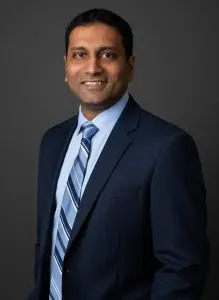
Mr Siva Kumar Veeramani
MBBS, BMed.Sci (Hons), MRCS, MBA, FRCS (Plast.). Consultant Plastic, Reconstructive & Cosmetic Surgeon practising across London, Kent, Surrey and Sussex. GMC 6114710.
About Mr Siva Kumar →