GLP-1 weight loss and the rise in body contouring surgery
Weight-loss medicines like Wegovy and Mounjaro can leave loose skin. A consultant plastic surgeon explains the rise in body contouring, timing and safety.

Weight-loss medicines known as GLP-1 medications, including semaglutide (Wegovy, Ozempic) and tirzepatide (Mounjaro), have changed many people’s lives. Losing a large amount of weight brings real health benefits, but it can also leave loose skin and uneven contours that diet and exercise cannot fix. As a result, more people are asking about body contouring surgery, and about the facial changes that sometimes follow rapid weight loss.
Here is what is happening, what surgery can and cannot do, and how to plan it safely.
A growing trend
In September 2026 the American Society of Plastic Surgeons (ASPS) reported on how GLP-1 medications are shaping plastic surgery in the United States. Of the surgeons it surveyed, 82% had received consultation requests linked to GLP-1 use in 2025. The procedures most often requested included:
- Tummy tuck: reported by 88% of surgeons
- Breast lift or augmentation: 87%
- Arm lift: 84%
- Thigh lift: 80%
- Facelift: 71%, and neck lift: 64%
Procedure numbers rose too: upper body lifts by 22%, arm lifts by 21% and thigh lifts by 20%. In the face, fat grafting rose by 39%, the biggest increase of any cosmetic procedure, with neck lifts up 21% and facelifts up 13%. These are US figures, but I am seeing the same pattern in my own clinics here in the UK.
Why weight loss can leave loose skin
When you lose weight, especially quickly, your skin does not always shrink back. How much it recovers depends on your age, genetics, how long you carried the extra weight, sun damage, smoking and how much weight you lost. Fat and muscle are also lost unevenly, so some areas, such as the tummy, upper arms, thighs and breasts, may be left with folds or sagging skin. This can cause rashes, discomfort, difficulty exercising and difficulty finding clothes that fit, as well as affecting confidence.
What about “Ozempic face”?
“Ozempic face” is the popular name for the hollowed, older look some people notice after significant weight loss. It is caused by loss of facial fat and sagging of the soft tissues, and it is not specific to one medicine. Depending on what is needed, options range from fillers to fat grafting, where your own fat restores lost volume, to a facelift or neck lift when the skin has become loose. Read more in our article on fat grafting.
Which procedures can help?
- Tummy tuck (abdominoplasty): removes loose skin and fat from the abdomen and can tighten separated stomach muscles.
- Arm lift (brachioplasty): removes hanging skin from the upper arms.
- Thigh lift: tightens loose skin on the inner or outer thighs.
- Breast uplift, with or without implants or fat transfer, to restore shape and position. In men, chest reduction can treat loose chest skin.
- Liposuction: for stubborn pockets of fat where the skin still has good tone.
- Combined procedures: several areas can sometimes be treated in a planned, staged way.
When is the right time for surgery?
Timing matters. I usually advise that your weight should be stable for at least three to six months before body contouring surgery, ideally at or close to your goal weight. Operating while you are still losing weight can mean more loose skin develops afterwards, and a stable weight gives a more predictable, longer-lasting result. A good surgical plan can also wait until you have recovered fully from any nutritional changes during your weight loss.
Safety: tell us you are taking a GLP-1 medicine
GLP-1 medications slow the emptying of the stomach. This matters for anaesthesia, so it is essential to tell your surgical team if you are taking one, or have recently stopped. You may be given specific advice about your medication and fasting before surgery. Please do not stop or change your medication without speaking to the doctor who prescribed it.
Your general health also matters. Significant weight loss can affect your iron, vitamin and protein levels, which play a part in wound healing. We will check you are in the best possible shape for surgery, and a nutritional blood test can help.
What to expect from recovery
Body contouring operations are bigger procedures than many cosmetic treatments. Depending on the operation, you may need one to two weeks off work, a compression garment, and around six weeks before returning to strenuous exercise. There will be scars, which I place as discreetly as possible, and they fade over 12 to 18 months. I will give you a personalised recovery plan.
Frequently asked questions
Do I need to stop my GLP-1 medicine before surgery?
You may be given specific advice before your operation. Always tell us you are taking it, and do not stop it without speaking to your prescriber.
How long should I wait after reaching my goal weight?
Usually at least three to six months of stable weight. We will agree the right timing for you.
Will I need more than one operation?
If several areas need treatment, they are often planned in stages for safety and a smoother recovery.
Is body contouring available on the NHS?
Funding is very limited and depends on local criteria. Most people choose private treatment. Our fees page lists guide prices, for example a tummy tuck from 6,995 and an arm lift from 6,495, with a formal written quote after consultation.
Next steps
If you have lost weight with or without a GLP-1 medicine and are bothered by loose skin, the best first step is a consultation. We will talk through your goals, timing and options, with no pressure to proceed. Book a consultation in person or by video.
References
- American Society of Plastic Surgeons. The GLP-1 effect: from body to face and what happens next. September 2026. Read the article
- Krastev TK, Beugels J, Hommes J, et al. Efficacy and safety of autologous fat transfer in facial reconstructive surgery: a systematic review and meta-analysis. JAMA Facial Plast Surg. 2018;20(5):351-360. Read the study
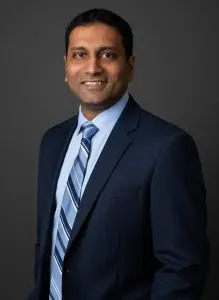
Mr Siva Kumar Veeramani
MBBS, BMed.Sci (Hons), MRCS, MBA, FRCS (Plast.). Consultant Plastic, Reconstructive & Cosmetic Surgeon practising across London, Kent, Surrey and Sussex. GMC 6114710.
About Mr Siva Kumar →