Fat grafting: what it can do and how long it lasts
How fat grafting (fat transfer) works, how much fat survives and how long results last, fat transfer to the face and under the eyes, fat vs fillers, recovery, risks and UK cost.

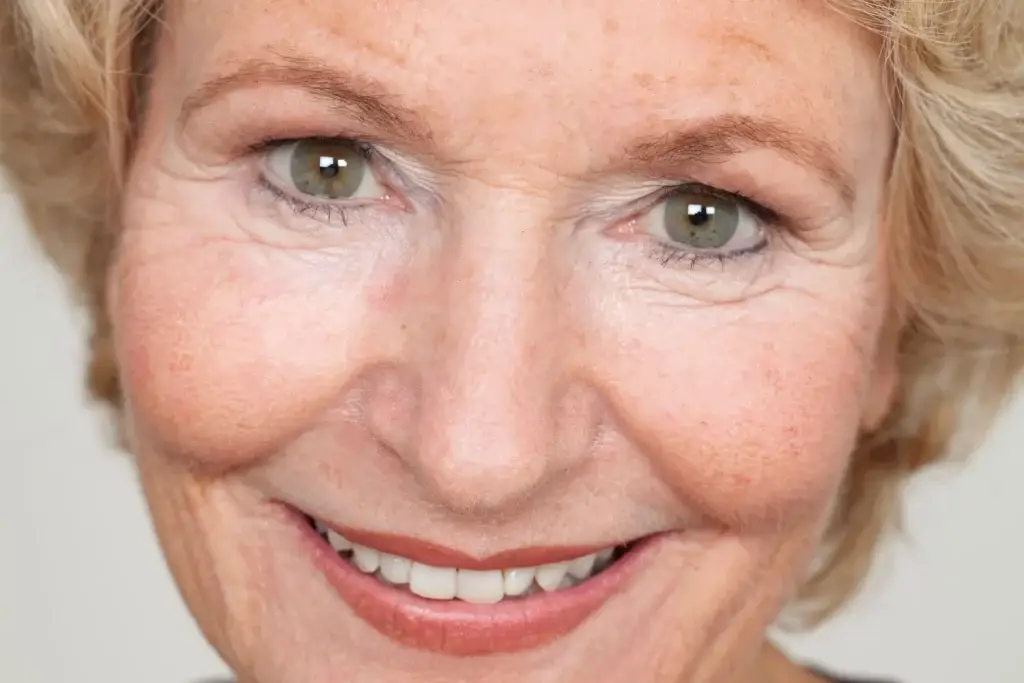
The short answer: fat grafting, also called fat transfer or lipofilling, uses your own fat to restore volume where it has been lost. Around half to two-thirds of the transferred fat typically survives, and the fat that is still there after three to six months is long-lasting, behaving like normal fat for the rest of your life. Because it is your own tissue, it looks and feels natural, and some people need a second, top-up session to reach their goal.
A small amount of fat is gently removed from somewhere you have a little to spare, such as the tummy or thighs, purified, then carefully injected where it is needed. It has become one of the fastest-growing procedures in plastic surgery, and it is one of my favourite techniques, because it can soften the signs of ageing, restore a face that has thinned after weight loss, and repair dents and scars, all with your own tissue.
“Faces age as much by losing volume as by sagging. Putting a little of your own fat back in the right places can make someone look rested and healthy rather than ‘done’.”
Mr Siva Kumar, Consultant Plastic Surgeon
What can fat grafting be used for?
- The face: restoring volume to hollow cheeks, temples and the area under the eyes, softening deep folds, defining the jawline, and refreshing a face that has thinned with age or weight loss. You can read more on my facial fat grafting page.
- The breasts: adding natural volume, improving shape or symmetry, or refining the result after implants, implant removal or reconstruction. Read more about fat transfer to the breasts and how it compares in my guide to fat transfer vs breast implants.
- Scars and contour defects: filling depressed scars or dents after surgery, injury, liposuction or skin cancer removal. Fat also seems to soften scar tissue and improve the quality of the skin over it.
- Alongside other surgery: fat grafting is often combined with a facelift, eyelid surgery or body contouring to restore both shape and volume.
How the procedure works
- Harvesting: fat is collected using fine liposuction cannulas through tiny incisions, usually from the abdomen, flanks or thighs. You also get a subtle contouring benefit where the fat is taken from.
- Processing: the fat is gently purified to separate healthy fat cells from fluid and oil.
- Injecting: the fat is placed in many small amounts, in layers, using fine, blunt cannulas. This careful technique gives each tiny parcel of fat the best chance of picking up a new blood supply.
Depending on the area and amount, it can be done under local anaesthetic, with sedation or under general anaesthetic, and most people go home the same day.
How long does fat transfer last?
This is the question I am asked most. Not all of the transferred fat survives, because some cells do not establish a blood supply in their new location. The fat that does survive after the first three to six months generally stays long term.
The best overall picture comes from a systematic review and meta-analysis published in JAMA Facial Plastic Surgery (Krastev and colleagues, 2018). It pooled 52 studies and around 1,550 patients who had fat transferred to the face:
- about 50% to 60% of the injected volume was retained at one year
- 91% of patients were satisfied with their result
- patients needed an average of 1.5 sessions to reach their goal
- complications occurred in under 5% of procedures, and most were minor, such as slight asymmetry or overcorrection
The authors also noted that many of the studies were small or retrospective, so results vary from person to person. In practice, this is why I plan carefully, sometimes place a little more fat than the final result needs, and talk openly about the possibility of a second, top-up session.
Several things help more of the fat to survive: careful, gentle technique; not smoking or vaping; avoiding pressure on the treated area for the first few weeks; and keeping your weight stable. Because grafted fat behaves like the fat elsewhere in your body, it will grow if you gain weight and shrink if you lose it.
“I would always rather add a little more at a second session than overdo it at the first. With fat, less really is more, especially around the eyes.”
Mr Siva Kumar, Consultant Plastic Surgeon
Fat transfer to the face
As we age, the fat pads of the face shrink and slip, the bones of the face slowly change, and the skin loses elasticity. The result is hollowing at the temples, flattening of the cheeks, deeper folds around the mouth and a tired look under the eyes. The same changes can happen much faster after significant weight loss, which I have written about in my article on loose skin after Mounjaro or Wegovy.
Fat transfer to the face restores some of that lost volume. It works particularly well in the cheeks, temples and jawline, and it is often combined with a facelift, which lifts tissue that has sagged, while fat replaces volume that has been lost. If you are weighing up a facelift, you may find my guide to deep plane vs SMAS facelifts helpful.
Fat transfer under the eyes
Fat can soften hollowing under the eyes and the groove between the lower eyelid and the cheek, sometimes called the tear trough. It can give a lovely, long-lasting result, but the skin here is very thin, so it needs to be done conservatively with very finely processed fat, or small lumps can show. It is often done at the same time as lower eyelid surgery.
Fat grafting vs fillers
| Fat grafting | Hyaluronic acid fillers | |
|---|---|---|
| How long it lasts | Surviving fat is long-lasting | Usually 6 to 18 months, then needs repeating |
| Recovery | One to two weeks of swelling and bruising | Little or none |
| Best for | Larger areas, a natural, long-term result | Small, precise corrections |
| Reversible? | Not easily | Yes, can be dissolved |
| Predictability | Some fat is reabsorbed, so a top-up may be needed | Very predictable on the day |
| Cost over time | Higher up front, but usually a one-off | Lower per session, but ongoing |
Many people use both at different stages. Some start with dermal fillers to see how they like the look of more volume, then move to fat for a longer-lasting result. We can discuss which suits your goals at your consultation.
Recovery after fat grafting
- Days 1 to 3: swelling builds and peaks. For the face, cold compresses and sleeping with your head raised help.
- Weeks 1 to 2: swelling and bruising settle gradually. The early fullness is not the final result, so try not to judge it yet.
- The donor area: feels bruised and tender, like after liposuction, and you may wear a compression garment for a short time.
- Getting back to normal: most people return to desk work within about a week. Avoid pressure on the treated area, facial massage and strenuous exercise for a few weeks.
- Final result: once the swelling has settled and the surviving fat has established, usually by around three to six months.
Is fat grafting safe?
Fat grafting has a good safety record when performed by a trained plastic surgeon. Possible risks include swelling, bruising, lumps or firmness, small oil cysts, asymmetry, over- or under-correction, and infection. Very rarely, fat injected into the face can enter a blood vessel and cause serious complications, including problems with vision. This is why I use blunt cannulas, inject slowly in tiny amounts, and work with detailed knowledge of the anatomy of the face. I will go through all the risks with you in detail and explain how they are minimised.
Who is a good candidate?
You may be suitable if you are in good general health, have enough spare fat to harvest, are at a stable weight, and would like a natural-looking improvement rather than a dramatic change. If you are losing weight, it is usually best to reach a stable weight first, because grafted fat behaves like the fat elsewhere in your body. Very slim people sometimes have only small amounts of fat available, but usually enough can be found for the face.
How much does fat grafting cost in the UK?
It depends on the area and the amount. Facial fat grafting has a guide price from £2,300, and fat transfer to the breasts from £7,000. You will receive a formal written quote after your consultation. See the fees page for more detail.
Questions I’m often asked
Is fat grafting permanent?
The fat that survives the first few months is long-lasting. Natural ageing continues, and significant weight changes can affect the treated area.
Can fat transfer be reversed?
Not easily. Small areas of excess can sometimes be reduced with fine liposuction or injections, but there is no simple way to dissolve fat in the way that fillers can be dissolved. That is another reason I am deliberately conservative.
Will I need more than one session?
Some people are happy after one session; others choose a top-up. On average, research suggests about one and a half sessions.
Does it leave scars?
The incisions are only a few millimetres long and usually fade to be barely visible.
Can fat transfer migrate?
Once established, grafted fat stays where it was placed. In the first few weeks, firm pressure or massage can move it, which is why I ask you to avoid both while it settles.
Next steps
To discuss whether fat grafting is right for you, book a consultation at one of my clinics in Kent, Surrey and Sussex. You can read more about using your own fat to restore volume in the face on my facial fat grafting page.
References
- Krastev TK, Beugels J, Hommes J, et al. Efficacy and safety of autologous fat transfer in facial reconstructive surgery: a systematic review and meta-analysis. JAMA Facial Plast Surg. 2018;20(5):351-360. Read the study
- American Society of Plastic Surgeons. The GLP-1 effect: from body to face and what happens next. September 2026. Read the article
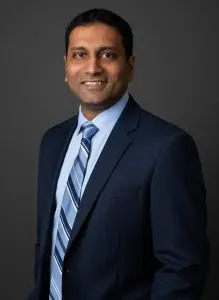
Mr Siva Kumar Veeramani
MBBS, BMed.Sci (Hons), MRCS, MBA, FRCS (Plast.). Consultant Plastic, Reconstructive & Cosmetic Surgeon practising across London, Kent, Surrey and Sussex. GMC 6114710.
About Mr Siva Kumar →