Treatments / Skin / Xanthelasma removal
Xanthelasma Removal in Kent, Surrey, Sussex and London
Removing yellow eyelid patches
Xanthelasma removal with Mr Siva Kumar, by careful surgical excision or CO₂ laser, usually under local anaesthetic.
At a glance
About xanthelasma
Harmless, but noticeable
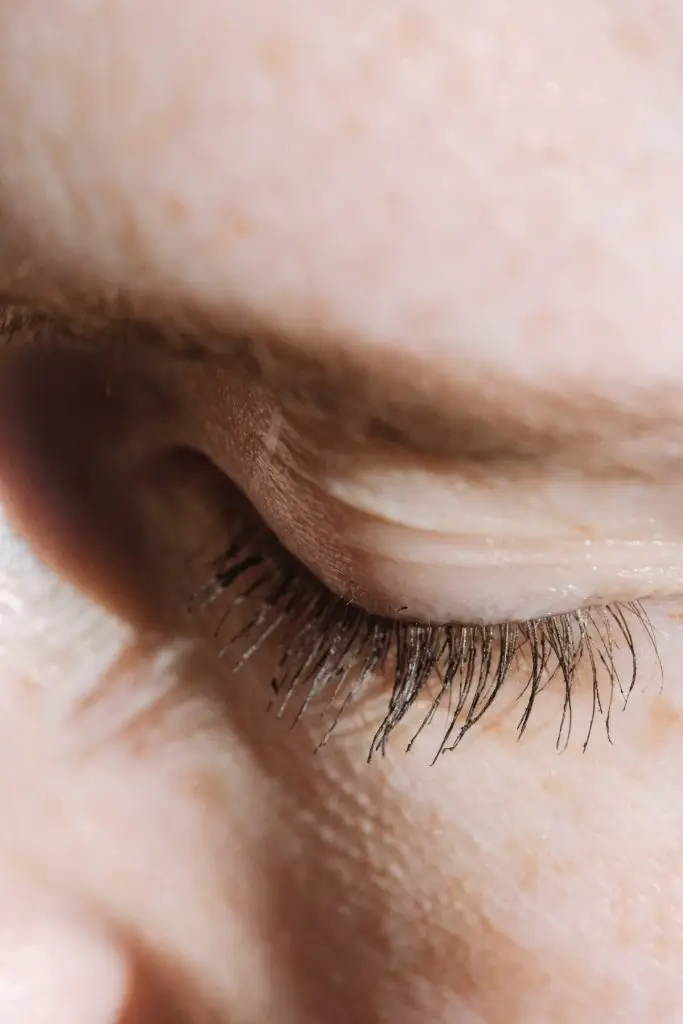
Xanthelasma are soft, yellowish patches of cholesterol under the skin of the eyelids, most often near the inner corner of the eye. They are harmless but can be very noticeable.
They are sometimes linked to raised cholesterol, so it is worth asking your GP for a blood test if you have not had one recently. Around half of people with xanthelasma have normal cholesterol levels.
Small patches can be removed by excision, leaving a fine, well-hidden scar, or treated with CO₂ laser. Larger patches may need excision combined with an eyelid tuck, or treatment in stages.
Xanthelasma removal can help with
- Yellow patches on the upper or lower eyelids
- Patches that are growing
- Self-consciousness about your appearance
Techniques
Two ways to remove xanthelasma
Surgical excision
The patch is removed and the skin closed with fine stitches, ideally within the natural eyelid crease.
- Best for: small to medium patches, or patches with excess eyelid skin
CO₂ laser
The laser removes the patch layer by layer, with no stitches.
- Best for: flatter, smaller patches
Watch & read
Everything you need to know, in one place
Patient guide
Xanthelasma removal: your patient guide
A detailed booklet written by Mr Kumar. It explains the procedure in depth, how to prepare, every risk and complication, and how to look after yourself afterwards.
Opens as a booklet you can flick through. Your copy is also given to you at consultation.
Your journey
Your step-by-step journey
Your journey starts the moment you get in touch. From your first enquiry to your final check-up, you deal with the same small team, and you will always feel listened to, informed and never rushed.
Get in touch
Call, email or send an enquiry, or ask your GP or dermatologist to refer you. We aim to see you quickly.
If you are worried about a skin cancer, tell us when you book so we can prioritise your appointment.
Assessment
Mr Kumar examines the area, reviews any biopsy results or scans, and explains your options clearly.
You will receive the plan in writing. Where relevant, your case is discussed with the skin cancer multidisciplinary team (MDT) that Mr Kumar leads.
Your procedure
Treatment usually takes 30 to 60 minutes under local anaesthetic. You go home straight afterwards, although it is best if someone drives you.
You will have clear wound-care instructions and a number to call if anything worries you.
Results
Anything removed is examined in the laboratory, usually within 2–3 weeks.
Mr Kumar goes through the results with you and explains what, if anything, needs to happen next.
Follow-up
A wound check and, where needed, regular skin checks to keep you well in the future.
You will also be shown how to check your own skin and what changes to look out for.
Recovery
Healing, step by step
Everyone heals at their own pace. This is a typical recovery, and Mr Kumar will give you a personal plan.
Swelling and bruising around the eye. Use cold compresses.
Stitches are removed, or laser-treated areas heal.
Redness fades.
Scars soften and fade.
Safety
Risks and staying safe
All surgery carries some risk. Mr Kumar will go through these with you in detail, and the patient guide covers them in full, so you can make an informed decision.
Possible risks
- Bruising and swelling
- Scarring
- Lighter or darker skin at the treated area
- The eyelid pulling down slightly if a large area is removed
- Xanthelasma coming back
Lowering your risk
- Tell us about all medicines and supplements, especially blood thinners
- Stop smoking and vaping well before and after your procedure
- Follow your aftercare plan and attend every follow-up
- Call us at any time if something does not feel right
Fees
Guide price from£999
Self-pay consultations £250.
One package price. No hidden surprises.
If you go ahead, you receive a single package price covering your whole journey, so you know exactly what you are paying before you commit. It usually includes:
- Your surgeon’s fee
- Procedure room or theatre fees
- Laboratory analysis where needed
- Follow-up and wound check
- Support whenever you need it
- A clear written quote
FAQs
Your questions, answered
Will they come back?
They can, particularly if several eyelids were affected or cholesterol is raised. Recurrences can usually be treated again.
Should I have my cholesterol checked?
Yes, if you have not had a recent test. Xanthelasma can be a sign of raised cholesterol, which matters for your general health.
Is it covered by insurance?
Usually not, as removal is generally considered cosmetic.
How much does xanthelasma removal cost?
The guide price starts from £999. Your final fee depends on your treatment plan and choice of hospital, and is confirmed in a written quote after consultation. Self-pay consultations cost £250.
Thinking about xanthelasma removal?
Start with an unhurried consultation with Mr Siva Kumar at The Ü Clinic in Sevenoaks or Oxted. Self-pay consultations cost £250.