Treatments / Non-surgical / Polynucleotides
Polynucleotides Under the Eyes in Kent, Surrey, Sussex and London
Fresher skin under the eyes
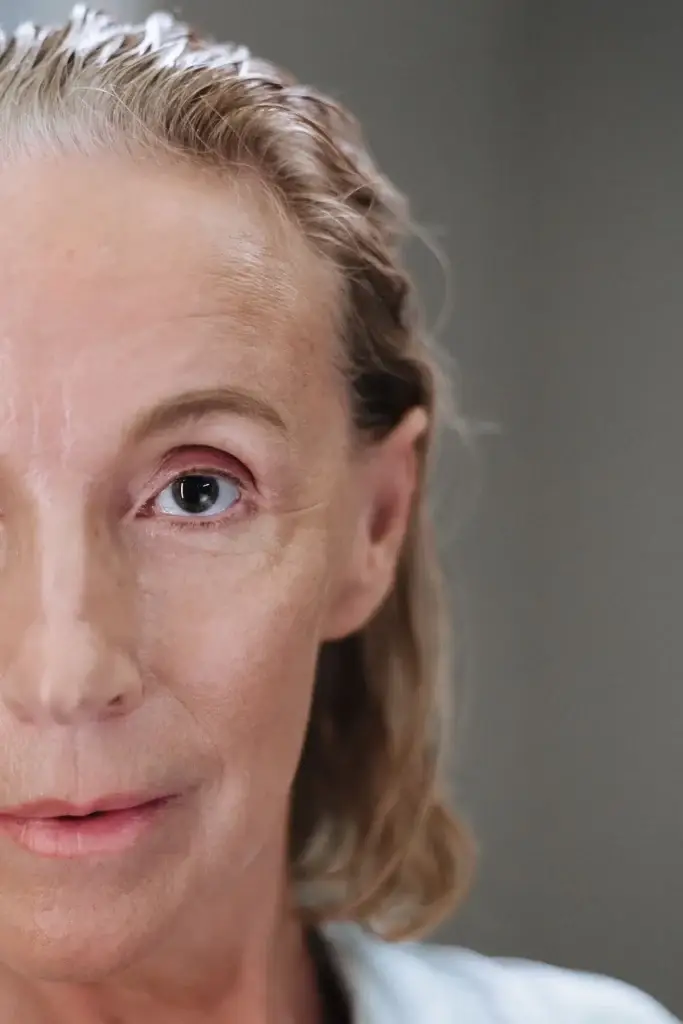
Polynucleotides with Mr Siva Kumar are a regenerative injectable skin booster, used mainly for thin, crepey skin and fine lines under the eyes. They improve the quality of the skin itself, gradually, without adding volume or changing your features.
At a glance
What are polynucleotides?
A skin booster, not a filler
Polynucleotides are highly purified fragments of DNA, usually taken from salmon or trout. The purification removes proteins and other material, leaving chains of nucleotides, the building blocks of DNA. In the UK, polynucleotide products are regulated as medical devices rather than medicines, and should only be injected by a trained medical practitioner.
Injected into the skin in tiny amounts, they act as a regenerative skin booster. Research suggests they support the fibroblasts, the cells that make collagen and elastin, help the skin hold water, calm low-grade inflammation and improve the small blood vessels in the skin. Over the following weeks the skin can become thicker, firmer and smoother.
They are used most often under the eyes, where the skin is the thinnest on the face and quickest to look tired. They can also be used on the face, neck, décolletage and the backs of the hands. Unlike a dermal filler, they do not add volume, so they cannot overfill the area or change your features.
A course is usually three sessions, two to three weeks apart, with the result building gradually. The evidence is promising but still growing, so Mr Kumar will look at what is causing your concern and tell you honestly whether polynucleotides, another treatment or no treatment is the right choice.
Polynucleotides may help with
- Thin, crepey skin under the eyes
- Fine lines under and around the eyes
- Dark circles caused by thin skin showing the blood vessels underneath
- Dull, tired-looking skin on the face and neck
- Crepey skin on the neck, décolletage and backs of the hands
What it won’t do
- Remove eye bags caused by fat (lower eyelid surgery may be better)
- Fill deep hollows or tear troughs (filler or fat grafting may suit)
- Lift heavy or loose eyelid skin
- Remove dark circles caused by pigment, or shadows from bone structure
- Give an instant result, or last permanently
Mr Kumar’s view
What to expect, and when
Polynucleotides work gradually, by improving the skin itself. This is roughly how the change builds over a course of three sessions.
Polynucleotides do not change your shape. They change the quality of the skin. When thin, crepey skin is the problem, they can make the area under the eyes look noticeably fresher and less tired.
If what bothers you is a puffy bag or a deep hollow, I would rather tell you honestly at the start that another treatment will help more.
| When | What you are likely to notice |
|---|---|
| The first day or two | Small raised bumps along the injection points, and sometimes slight swelling or a small bruise. These settle quickly. |
| 2 to 3 weeks after your first session | The skin often feels more hydrated and looks a little brighter. |
| During the course | Sessions two and three, two to three weeks apart, build on the first. Fine lines and crepiness begin to soften. |
| 2 to 3 months after the course | Usually the best result: thicker, firmer, smoother skin under the eyes, with thin-skin darkness often less obvious. |
| 6 to 12 months | The effect gradually fades. A single top-up session can maintain it if you wish. |
Results vary from person to person, and some people notice more change than others. The research is encouraging but still growing, so Mr Kumar will tell you honestly whether polynucleotides are likely to help you.
Options
Matched to your concern
Polynucleotides under the eyes
A series of tiny injections just under the skin of the lower eyelid. A course is three sessions, two to three weeks apart, with a top-up every six to nine months if you wish.
- Best for: thin, crepey skin, fine lines and thin-skin dark circles
Face, neck and hands
Polynucleotides can also be placed across the cheeks, neck, décolletage or the backs of the hands to improve skin quality.
- Best for: dull, dehydrated or crepey skin away from the eyes
Profhilo
A hyaluronic acid skin booster that spreads beneath the skin of the face and neck. It is not usually injected directly under the eyes.
- Best for: dull, dehydrated skin and early laxity on the face
- Profhilo
CO2 laser resurfacing
CO2 laser resurfaces the skin to treat crepey texture, fine lines and sun damage around the eyes. It can be combined with polynucleotides in a planned course.
- Best for: crepey texture, fine lines and sun damage
- CO2 laser
Tear trough filler or fat grafting
Where the hollow under the eye is a loss of volume, a carefully placed filler or your own fat restores support, which polynucleotides do not do.
- Best for: deep hollows under the eyes
- Dermal fillers
Lower eyelid surgery
Puffy bags caused by fat pushing forward, and loose lower eyelid skin, are best treated with lower eyelid surgery.
- Best for: eye bags and loose lower eyelid skin
- Lower eyelid surgery
Watch & read
Everything you need to know, in one place
Patient guide
Polynucleotides: your patient guide
A detailed booklet written by Mr Kumar. It explains the treatment in depth, how to prepare, every risk and complication, and how to look after yourself afterwards.
Opens as a booklet you can flick through. Your copy is also given to you at consultation.
Your journey
Your step-by-step journey
Your journey starts the moment you get in touch. From your first enquiry to your final check-up, you deal with the same small team, and you will always feel listened to, informed and never rushed.
Get in touch
Call, email or send an enquiry, and we will find a time that suits you.
Tell us what you would like to improve, and we will make sure the right treatment is discussed at your appointment.
Consultation
A face-to-face assessment with Mr Kumar, who explains the options, costs and any risks.
Prescription treatments such as anti-wrinkle injections are only given after a proper medical assessment. You never have to decide on the day.
Treatment
Your skin is cleaned and numbing cream is applied. Mr Kumar then places a series of tiny injections just under the skin of the lower eyelid, using a very fine needle or a blunt cannula, which takes about 20 to 30 minutes. Most people find it only mildly uncomfortable, and you can go back to work or your day afterwards.
You will know exactly what to expect, and receive aftercare advice and a number to call afterwards.
Review
A review appointment, usually after about two weeks, checks your result.
Any small adjustments can be made at this stage.
Maintenance
Advice on how long your result will last and when, if ever, to repeat treatment.
There is never any pressure to book further treatment.
Recovery
Healing, step by step
Everyone heals at their own pace. This is a typical recovery, and Mr Kumar will give you a personal plan.
Small raised bumps along the injection points, sometimes with redness. Most people go straight back to work or their day.
The bumps settle. Avoid make-up on the area for about 12 hours, and strenuous exercise, saunas and alcohol for 24 hours.
Any swelling or bruising fades. Avoid facial massage and other facial treatments in the area.
Your second and third sessions, two to three weeks apart.
The result is usually at its best.
A top-up session, if you would like to keep the effect.
Patient results
Before & after
Photographs are shared only with each patient’s written consent. Everyone is different, so individual results vary.
More patient results coming soon
In the meantime, Mr Kumar can show you results for patients with similar concerns during your consultation.
Safety
Risks and staying safe
Every treatment carries some risk. Mr Kumar will go through these with you in detail, and the patient guide covers them in full, so you can make an informed decision.
Possible risks
- Small bumps at the injection points, which usually settle within a day or two
- Bruising, which is more common under the eyes than elsewhere
- Swelling or puffiness for a few days
- Redness and tenderness
- Infection, which is uncommon
- Allergic reaction, which is rare
- Rarely, lumps or changes in skin colour, particularly if the product is not placed correctly
Lowering your risk
- Not suitable if you are allergic to fish or seafood, as most products are made from salmon or trout DNA
- Not suitable during pregnancy or breastfeeding, or for anyone under 18
- Not suitable if you have an infection, cold sore or active skin condition in the area to be treated
- Tell Mr Kumar about any autoimmune condition, bleeding disorder, blood thinners or allergies
- Choose a medical practitioner using a reputable, regulated product
- Treatment is given by a GMC-registered consultant, never in a beauty salon
Fees
Guide price from£300
- Per session (a course of 3 is recommended)£300
- Course of 3 sessions£870
Self-pay consultations £250.
One package price. No hidden surprises.
If you go ahead, you receive a single package price covering your whole journey, so you know exactly what you are paying before you commit. It usually includes:
- Consultation with Mr Kumar
- Your treatment
- Review appointment
- A clear written quote
FAQs
Your questions, answered
How long do polynucleotides take to work?
Many people notice the skin feeling more hydrated within two to three weeks of their first session. The improvement in firmness and texture builds over the course, and is usually at its best about two to three months after the third session. Photographs taken before treatment and again at about three months are the best way to judge the change.
How many sessions will I need?
A course of three sessions, two to three weeks apart, is recommended for most people. After that, a single top-up session every six to nine months can maintain the result if you wish.
How long do the results last?
Usually about six to twelve months, depending on your skin, age and lifestyle. Results fade gradually rather than suddenly. Protecting your skin from the sun and not smoking help them last.
Do polynucleotides get rid of dark circles?
They can soften darkness caused by thin skin, where the blood vessels and muscle underneath show through. They do not remove darkness caused by pigment, or shadows from a hollow or eye bags, which need a different approach.
Polynucleotides or tear trough filler?
They do different jobs. Polynucleotides improve thin, crepey skin without adding volume. A tear trough filler adds volume to a hollow. Some people benefit from one, some from both, and for puffy eye bags, surgery is often the better answer. Mr Kumar will advise what suits you.
What are the side effects of polynucleotides?
Small bumps for a day or two, mild swelling and sometimes bruising are common. Infection and allergic reactions are uncommon. Because most products are made from fish DNA, they are not suitable if you have a fish or seafood allergy.
Polynucleotides or Profhilo?
Profhilo is a hyaluronic acid skin booster for the face and neck, and is not usually injected directly under the eyes. Polynucleotides are often preferred for the thin skin under the eyes. They can be used together as part of a plan for overall skin quality.
How much do polynucleotides cost?
The guide price starts from £300. Your final fee depends on your treatment plan and choice of hospital, and is confirmed in a written quote after consultation. Self-pay consultations cost £250.
Is it covered by insurance?
Cosmetic treatment is not usually covered by health insurance. Where there is a medical reason, it may be. Insurers will need Mr Kumar’s full name, Siva Kumar Veeramani, and GMC number 6114710.
Locations
Where to have polynucleotides in Kent, Surrey and Sussex
Treatment takes place at The Ü Clinic in Sevenoaks, Kent, The Ü Clinic in Oxted, Surrey, or one of Mr Siva Kumar's partner hospitals and clinics. He sees you himself for your consultation and any review appointments. See all of Mr Siva Kumar's clinic and hospital locations.
Both clinics are within easy reach of Tunbridge Wells, Tonbridge, West Malling, Westerham, Swanley, Dartford, Gravesend, Orpington, Bromley, Redhill, Reigate, Caterham, Coulsdon, Purley and Croydon, and a short drive from Maidstone, Rochester and Ashford. Patients also travel from across Sussex, including Brighton, Worthing, Horsham, Eastbourne, Hastings and Crowborough.
Polynucleotides cost: guide prices start from £300. Your fee is confirmed in a written quote after your consultation. See all prices.
Thinking about polynucleotides?
Start with an unhurried consultation with Mr Siva Kumar at The Ü Clinic in Sevenoaks or Oxted. Self-pay consultations cost £250.