Treatments / Skin / Skin cancer surgery
Skin cancer · Consultant-led
Skin cancer surgery in Kent, Surrey, Sussex and London
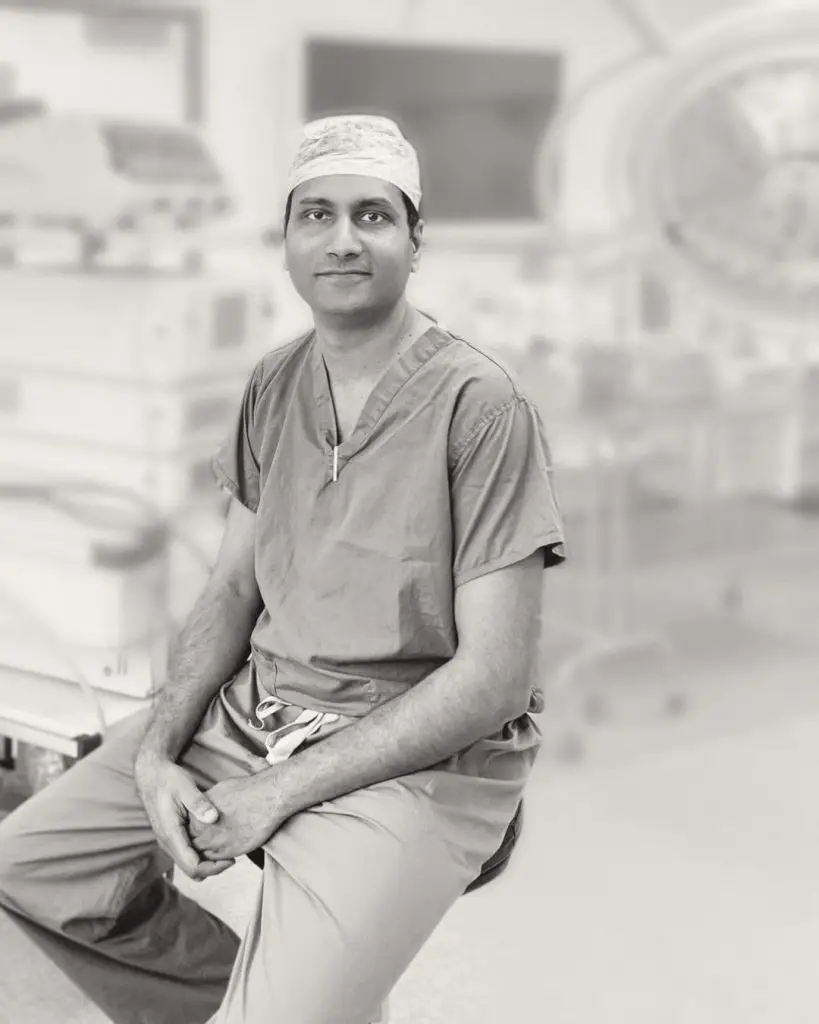
Prompt, consultant-led diagnosis and removal of skin cancer with Mr Siva Kumar, consultant plastic surgeon and skin cancer MDT lead for Kent and the local Sussex area. Treatment for basal cell carcinoma, squamous cell carcinoma and melanoma, with reconstruction that puts how you look first.
At a glance
What is skin cancer surgery?
Removing skin cancer completely, and repairing it well
Skin cancer is one of the most common cancers in the UK, and most skin cancers are cured by removing them completely. Skin cancer surgery means cutting out the cancer with a margin of healthy skin around it, sending it to the laboratory to confirm it has all gone, and repairing the skin so it heals as neatly as possible.
As a plastic surgeon, I care about both parts of that job. Removing the cancer safely comes first, but on the face especially, how the repair looks afterwards matters to you, and it matters to me.
Most skin cancer surgery is done under local anaesthetic at The Ü Clinic, and you go home the same day.
Skin cancer surgery can treat
- Basal cell carcinoma (BCC)
- Squamous cell carcinoma (SCC)
- Melanoma, including wide local excision and sentinel lymph node biopsy
- Suspicious moles that need removing to find out what they are
- Reconstruction after Mohs surgery
Types of skin cancer
The three main types of skin cancer
Skin cancers are named after the type of skin cell they start in. Basal cell carcinoma and squamous cell carcinoma are often grouped together as non-melanoma skin cancer, and they are far more common than melanoma.
Each type behaves differently, so the right treatment depends on which one you have, its size and where it is. I explain the differences in more detail in BCC vs SCC: what is the difference?
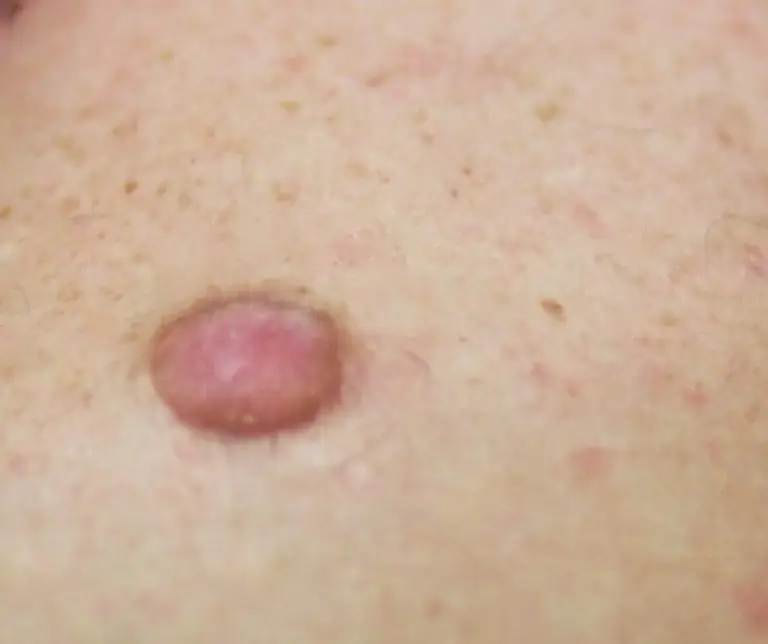
Basal cell carcinoma (BCC)
Often a pearly or shiny pink lump, or a sore that bleeds and will not heal, usually on the face or neck. BCCs grow slowly and very rarely spread, but they keep growing until they are removed.
BCC treatment →Squamous cell carcinoma (SCC)
Usually a firm, scaly or crusted lump that may be tender, on skin that has seen a lot of sun. SCCs can grow more quickly and occasionally spread, so they are best removed promptly.
SCC treatment →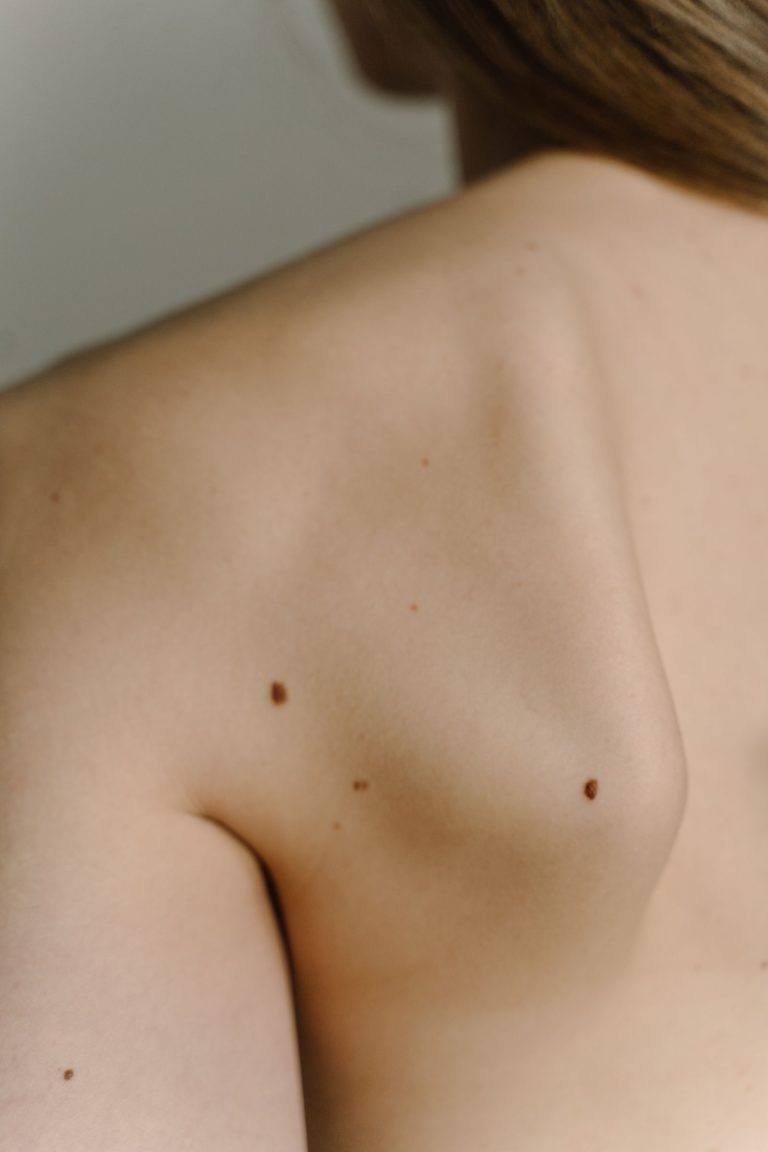
Melanoma
Often a new or changing mole, with an irregular shape or several colours. Melanoma is less common but more likely to spread, which is why finding it early makes such a difference.
Melanoma treatment →When to get checked
Signs that a skin change needs checking
Most spots and moles are harmless. Get a skin change checked within two weeks if you notice:
- a mole that is new, or changing in size, shape or colour
- a spot or sore that has not healed within four weeks
- a pearly, shiny lump, or a scaly, crusted patch that keeps coming back
- a lump that is growing, bleeding or tender
- a mole that looks different from all your others
You can read more in Mole checks: when to worry. A mole check with a dermatoscope can usually tell me straight away whether a mole looks harmless, and mole mapping helps if you have a lot of moles.
Your journey
From first appointment to all clear
Consultation and skin check
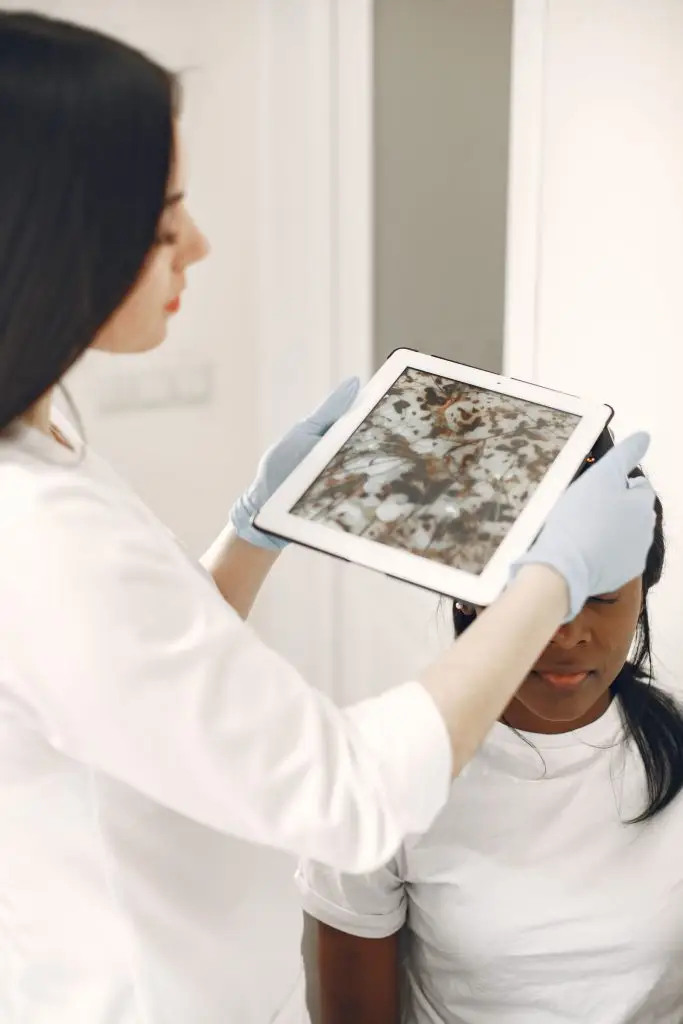
I examine the area with a dermatoscope, check the rest of your skin and explain what I think it is and what I recommend.
Removal
Most skin cancers are removed under local anaesthetic in clinic, often in under an hour. Larger operations take place at a partner hospital.
Laboratory results
The tissue is examined under the microscope. Results usually take two to three weeks, and more complex cases are discussed at the skin cancer MDT.
Results and follow-up
I go through your result with you, remove any stitches and plan follow-up skin checks if you need them.
Treatment
How skin cancer is treated
The right treatment depends on the type of skin cancer, its size and where it is. Most are treated with surgery, which gives the highest chance of a cure.
Surgical excision
The cancer is cut out with a margin of healthy skin around it. The wound is usually shaped as an ellipse, about three times as long as it is wide, so the skin closes flat into a fine line. Most excisions are done under local anaesthetic and usually take under an hour.
Reconstruction with flaps and grafts
If the wound cannot be closed directly, for example on the nose, eyelid or ear, I repair it with a local flap, moving nearby skin that matches in colour and texture, or with a skin graft. This is where plastic surgery training makes the biggest difference to how you look afterwards.
Mohs surgery and reconstruction
For some skin cancers on the face, and for BCCs that have come back or have edges that are hard to see, Mohs surgery is the best option. Mohs is carried out jointly: a Mohs surgeon colleague removes the cancer in thin layers, checking each one under the microscope until it is clear, and I then reconstruct the wound, usually on the same day.
Mohs has the highest cure rate for BCC and saves as much healthy skin as possible. Read more in BCC treatment.
Melanoma: wide local excision and sentinel node biopsy
After a melanoma has been diagnosed, a second, wider operation removes a margin of skin around the scar. For some melanomas, a sentinel lymph node biopsy checks whether it has spread to the nearest lymph nodes. Read more about melanoma treatment.
Treatments without surgery
Some very superficial skin cancers and pre-cancerous patches can be treated without surgery, for example with freezing (cryotherapy) or prescription creams. I will tell you if one of these is suitable for you.

Why Mr Kumar
A skin cancer surgeon who leads the local team
I am a consultant plastic surgeon at Queen Victoria Hospital, East Grinstead, and I lead the skin cancer multidisciplinary team (MDT) for Kent and the local Sussex area. Privately, I see patients at The Ü Clinic in Sevenoaks and Oxted.
- Speed: you can usually be seen quickly, without waiting for a referral
- A consultant operating: I see you, plan your treatment and carry out your surgery myself
- Faster histology: results usually come back sooner, and I go through them with you
- Dedicated dressing and wound care from our own team
- Support 24 hours a day after your surgery
- Your choice of place and time, to fit around work and family
GMC 6114710 · FRCS (Plast.) · Recognised by all major UK insurers
Costs
Skin cancer surgery costs
These are guide prices for self-pay patients at The Ü Clinic. Your exact fee depends on the size and position of the skin cancer and the type of repair you need, and you have a written quote before treatment. Operations under general anaesthetic at a partner hospital include hospital fees.
Insurance: skin cancer treatment is usually covered by private medical insurance, subject to your policy. Most insurers ask for a GP referral first. They will need Mr Kumar’s full name, Siva Kumar Veeramani, and GMC number 6114710.
The NHS: skin cancer is treated free on the NHS, and treated well. If cost is a worry, please see your GP rather than leave a skin change unchecked.
Locations
Skin cancer surgery near you
Consultations, skin checks and most skin cancer surgery take place at The Ü Clinic in Sevenoaks, Kent, and The Ü Clinic in Oxted, Surrey. Larger operations, and surgery under general anaesthetic, take place at The McIndoe Centre in East Grinstead, KIMS Hospital in Maidstone or North Downs Hospital in Caterham. See all of Mr Siva Kumar's clinic and hospital locations.
Both clinics are within easy reach of Tunbridge Wells, Tonbridge, West Malling, Westerham, Swanley, Dartford, Gravesend, Orpington, Bromley, Redhill, Reigate, Caterham, Coulsdon, Purley and Croydon. KIMS Hospital in Maidstone is close to Rochester, Chatham, Gillingham, Aylesford and Ashford, and The McIndoe Centre in East Grinstead is close to Crawley, Horley, Haywards Heath and Edenbridge. Patients also travel from across Sussex, including Brighton, Worthing, Horsham, Eastbourne, Hastings and Crowborough.
Ask the expert
Skin cancer questions, answered
BCC vs SCC: what is the difference between these skin cancers?
How basal cell carcinoma and squamous cell carcinoma differ, what each tends to look like, how serious they are and how they are treated.
Read the answer →
What is a sentinel lymph node biopsy for melanoma?
Why sentinel lymph node biopsy is offered after a melanoma diagnosis, what happens on the day, and what the result means for you.
Read the answer →
Mole checks: when to worry
Most moles are harmless, but some changes need checking. A skin cancer specialist explains the ABCDE signs, who is at risk and when to see a doctor.
Read the answer →
FAQs
Your questions, answered
How much does skin cancer removal cost?
Removing a skin cancer with the skin stitched closed starts from £850, plus £160 for laboratory analysis (histology). A repair with a local flap or skin graft after removing a BCC starts from £1,950 plus histology. You have a written quote before treatment.
Do I need a referral?
Not if you are paying for yourself. If you are using private medical insurance, most insurers ask for a GP referral first, so check before you book.
Is skin cancer surgery painful?
Most skin cancer surgery is done under local anaesthetic. The injection stings for a few seconds, and after that you should feel no pain. Most people need only simple painkillers afterwards.
Will I have a scar?
Any surgery leaves a scar. As a plastic surgeon, Mr Kumar plans the incision and the repair to follow the natural lines of your skin, so that the scar is as small and neat as possible. Scars keep fading for 12 to 18 months.
How long do the results take?
The laboratory result usually comes back within two to three weeks. Mr Kumar goes through it with you and explains whether anything more is needed.
Do you perform Mohs surgery?
Mohs surgery is carried out jointly. A Mohs surgeon colleague removes the skin cancer layer by layer until it is clear, and Mr Kumar then reconstructs the wound, usually on the same day.
Can skin cancer come back?
Most skin cancers are cured when they are removed completely. Anyone who has had one skin cancer has a higher chance of developing another, so regular skin checks, and checking your own skin every month, are important.
Is skin cancer surgery covered by insurance?
Usually, yes, subject to your policy. Insurers will need Mr Kumar’s full name, Siva Kumar Veeramani, and GMC number 6114710.
Worried about a skin change?
Book a consultation with Mr Siva Kumar at The Ü Clinic in Sevenoaks or Oxted. If you think a mole or spot has changed, please say so when you book.