What is rosacea, and can IPL help?
What rosacea is, what triggers flare-ups, the treatments that work for each symptom, and how IPL treats redness, flushing and thread veins.

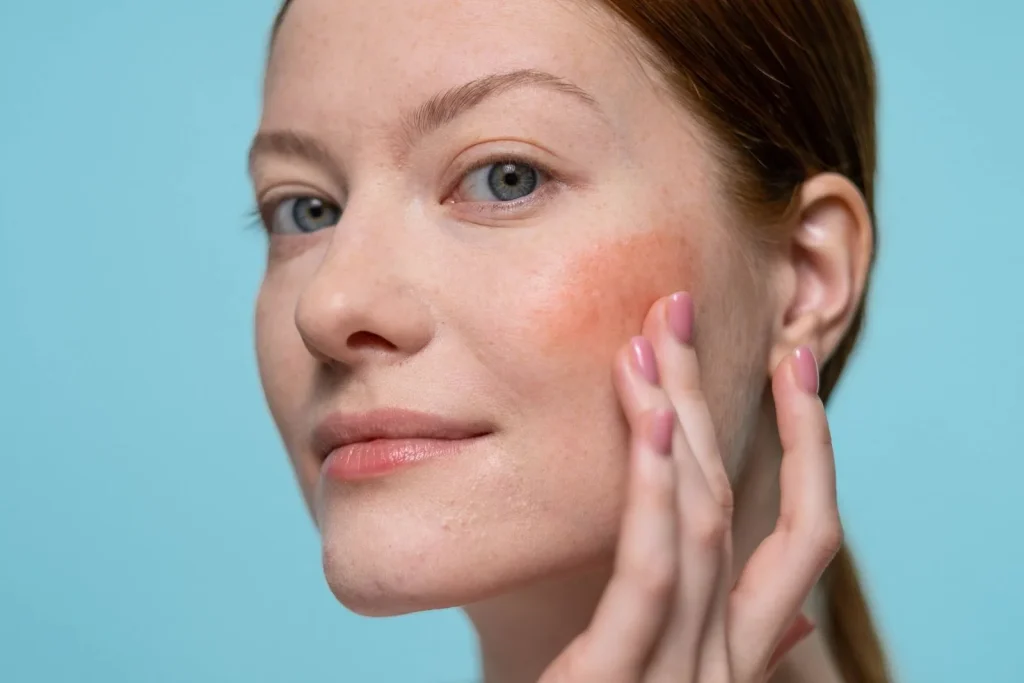
The short answer: rosacea is a common, long-term skin condition that causes redness across the cheeks, nose, chin and forehead, often with flushing, visible blood vessels and sometimes spots. It can’t be cured, but it can be controlled. IPL (intense pulsed light) is one of the most effective treatments for the persistent redness, flushing and thread veins of rosacea. Most people need a course of three to five sessions and see a clear improvement. It works best alongside gentle skincare, daily sun protection, knowing your triggers and, where needed, medical treatment for the spots.
Rosacea is one of the most common reasons people ask me about IPL. Many have spent years, and a small fortune, on creams that promised to calm their redness and never quite did. Some have been told it’s “just sensitive skin”, or that they blush easily. Others have been treated for acne that never responded. In this article I explain what rosacea is, what makes it worse, the treatments that work for each symptom, and what IPL can and can’t do.
What is rosacea?
Rosacea is a long-term inflammatory skin condition that mainly affects the central face. A large review of studies from around the world, published in the British Journal of Dermatology in 2018, estimated that it affects around 5 in every 100 adults.
It usually starts after the age of 30 and is most often diagnosed in people with fair skin, particularly of Celtic or Northern European background. It can affect anyone, though, and it’s probably underdiagnosed in darker skin, where redness is harder to see. Women are diagnosed more often, but men are more likely to develop thickened skin on the nose.
What are the symptoms of rosacea?
- flushing, or blushing very easily, often with a feeling of heat
- persistent redness across the cheeks, nose, chin or forehead
- small, visible blood vessels (thread veins, or telangiectasia)
- red bumps and pus-filled spots, which can look like acne
- burning, stinging or sensitive skin that reacts to many products
- dry, gritty, red or sore eyes (ocular rosacea)
- thickened, bumpy skin, usually on the nose (rhinophyma)
Most people have only some of these, and symptoms often come and go in flare-ups. Doctors used to sort rosacea into fixed “subtypes”. International experts now recommend treating each feature you have, which is how I approach it.
“Rosacea isn’t one problem, it’s several. Redness, flushing, spots, veins and thickened skin each respond to different treatments. Getting the right combination is what makes the difference.”
Mr Siva Kumar, consultant plastic surgeon
What causes rosacea?
The exact cause isn’t known. It’s thought to involve:
- Over-reactive blood vessels in the face, which widen too easily and stay widened.
- An over-active immune response in the skin, which drives inflammation.
- Demodex mites, tiny mites that live on everyone’s skin but are found in larger numbers in rosacea, and may trigger inflammation.
- Genes, as rosacea often runs in families.
Rosacea isn’t contagious, and it isn’t caused by poor hygiene or by drinking alcohol, although alcohol can trigger flares.
What triggers rosacea flare-ups?
In a large survey by the US National Rosacea Society, sun exposure and emotional stress were the most common triggers, each reported by around four in five people. Others include:
- hot weather, saunas and hot baths
- hot drinks and spicy food
- alcohol, especially red wine
- strenuous exercise
- cold wind and sudden changes in temperature
- some skincare products, make-up and fragrances
- steroid creams on the face
Triggers vary from person to person, so keeping a diary for a few weeks can help you find yours. You don’t need to avoid everything, just the things that set you off.
Is rosacea the same as acne?
No, although the spots can look similar. Rosacea doesn’t cause blackheads or whiteheads, it tends to appear later in life, and it comes with redness and flushing. The treatments are different too: some acne treatments, such as strong exfoliants, can make rosacea worse. So it’s worth getting the right diagnosis.
What is the best treatment for rosacea?
There’s no cure, but rosacea can usually be well controlled. Treatment is chosen for your symptoms. UK guidance and the international ROSCO expert panel broadly recommend the following.
For everyone: skincare and sun protection
- A mild, fragrance-free cleanser and moisturiser, and avoiding scrubs, toners with alcohol and harsh acids.
- A broad-spectrum sun cream of SPF 30 or higher every day, all year. Mineral sunscreens (zinc oxide or titanium dioxide) are often better tolerated.
- Green-tinted primers or make-up can help disguise redness.
For bumps and spots
Prescription creams and gels from your GP or a dermatologist, such as ivermectin, metronidazole or azelaic acid. For more troublesome spots, a course of tablets, usually a low-dose antibiotic taken for its anti-inflammatory effect.
For redness
Prescription gels can reduce background redness for several hours by temporarily narrowing blood vessels. They help some people, but the effect wears off each day and the redness can rebound. They don’t treat visible vessels.
For flushing, persistent redness and thread veins
This is where IPL and vascular lasers come in. Creams don’t treat visible blood vessels well, and light-based treatments are often the only thing that does.
For the eyes
If your eyes are affected, see your GP or optician, as ocular rosacea needs treating in its own right with eyelid hygiene, lubricating drops and sometimes tablets.
Can IPL help rosacea?
Yes. IPL is one of the most effective treatments for the redness of rosacea. The device delivers pulses of filtered light, which are absorbed by the haemoglobin in the blood inside the small, widened vessels near the surface of the skin. The heat seals the vessels off, and the body gradually clears them away. The redness fades, thread veins become less noticeable, and many people find they flush less often and that their skin feels less sensitive.
IPL works best for:
- persistent background redness
- flushing
- visible thread veins on the cheeks and around the nose
It’s less helpful for bumps and spots, which usually need medical treatment first. It isn’t done during a bad flare, which should be settled first.
What does the research say about IPL for rosacea?
A 2024 systematic review of 14 studies found that most showed IPL improved redness and visible vessels in rosacea, with only temporary side effects, though the authors noted that many of the studies were small. A 2024 meta-analysis comparing IPL with pulsed-dye laser, the other main vascular light treatment, found similar improvements in redness, with IPL more often clearing more than three-quarters of the redness. In practice, both work well. IPL has the advantage of treating a wider area evenly and also improving sun damage and brown spots.
“The most common thing people say after a course of IPL is that they’ve stopped reaching for the concealer. For persistent redness, it’s often the treatment that finally makes the difference.”
Mr Siva Kumar
How many IPL sessions will I need for rosacea?
Most people need a course of three to five sessions, about four weeks apart. Many notice a difference after the first or second session, with the full effect a few weeks after the course.
How long does IPL last for rosacea?
Treated vessels usually stay gone, but rosacea is a long-term condition, so new redness can develop over time. Most people keep their result with a maintenance session once or twice a year, along with daily sun protection and avoiding their triggers.
What is IPL treatment like?
- Before: your skin is assessed and photographed, and a patch test is usually done one to two weeks before your first session. Avoid tanning, including fake tan, for four weeks beforehand.
- During: you wear protective goggles, a cool gel is applied, and the handpiece is placed against the skin. Each pulse feels like a quick, warm snap, like an elastic band. A full-face session takes 20 to 30 minutes.
- Afterwards: your skin may be pink and slightly swollen, a bit like mild sunburn, for a few hours to a day or two. You can usually go straight back to work, and make-up can be worn the next day.
Are there any side effects of IPL?
IPL is safe in experienced hands. Side effects include temporary redness and swelling, and occasionally bruising, blistering, or patches of lighter or darker skin, which usually fade. A short flare of rosacea can happen after treatment, but it usually settles within a few days.
IPL isn’t suitable for everyone. It’s less safe on darker skin types and recently tanned skin, because the light is also absorbed by pigment, so I’ll assess your skin carefully first. It isn’t used during pregnancy, or if you take medicines that make your skin sensitive to light.
Is IPL for rosacea available on the NHS?
Rarely. Light and laser treatment for rosacea is usually considered cosmetic, so most people have it privately. Your GP can still help with creams and tablets for the spots and inflammation, and should be your first port of call.
How much does IPL for rosacea cost?
IPL is priced per session, and most people need a course. You can see the current guide price on my pricing page, and I’ll give you a personal plan and cost at your consultation.
What about a red, thickened nose (rhinophyma)?
In some people, usually men, rosacea gradually thickens the skin of the nose, making it bulbous and uneven. This is called rhinophyma. IPL won’t reverse it, but CO2 laser treatment or surgical shaving, which removes the excess tissue layer by layer, can reshape the nose very effectively. You can read more on my rhinophyma treatment page.
Quick questions
Is rosacea contagious?
No. You can’t catch it or pass it on.
Is rosacea genetic?
It often runs in families, so genes probably play a part.
Can rosacea go away on its own?
Symptoms often come and go, but rosacea is long term. Without treatment, the redness can gradually become more permanent and more vessels can appear.
Does diet affect rosacea?
For some people, yes: hot drinks, spicy food and alcohol are common triggers. There’s no special “rosacea diet”, but avoiding your personal triggers helps.
Can I use an at-home IPL device for rosacea?
Home IPL devices are designed for hair removal and are much weaker. I wouldn’t recommend using them on rosacea.
Does IPL work for ocular rosacea?
IPL is sometimes used by eye specialists for dry eyes linked to rosacea, with special eye protection. This is a separate, specialist treatment, so ask your optician or ophthalmologist.
Is rosacea worse in winter?
Many people find cold wind and central heating make it worse, while others flare in summer heat and sun. Autumn and winter are good times to start IPL, as there’s less sun exposure between sessions.
Next steps
If rosacea redness or flushing bothers you, book a consultation at The Ü Clinic in Sevenoaks or Oxted. I’ll assess your skin, check that IPL is suitable for you and plan a course that fits your rosacea.
Sources
- Gether L, et al. Incidence and prevalence of rosacea: a systematic review and meta-analysis. British Journal of Dermatology 2018;179:282–9.
- Schaller M, et al. Recommendations for rosacea diagnosis, classification and management: update from the global ROSacea COnsensus 2019 panel. British Journal of Dermatology 2020;182:1269–76.
- Martignago CCS, et al. Efficacy and safety of intense pulsed light in rosacea: a systematic review. Indian Journal of Dermatology, Venereology and Leprology 2024. PubMed 39152889
- Zhai Q, et al. Meta-analysis of the efficacy of intense pulsed light and pulsed-dye laser therapy in the management of rosacea. Journal of Cosmetic Dermatology 2024. PubMed 39240125
- NICE Clinical Knowledge Summaries. Rosacea. cks.nice.org.uk

Mr Siva Kumar Veeramani
MBBS, BMed.Sci (Hons), MRCS, MBA, FRCS (Plast.). Consultant Plastic, Reconstructive & Cosmetic Surgeon practising across London, Kent, Surrey and Sussex. GMC 6114710.
About Mr Siva Kumar →