How do you treat dark circles under the eyes?
What causes dark circles under the eyes, and how to treat them: polynucleotides, CO2 laser, filler, fat grafting and eyelid surgery, and why assessment and combination treatments matter.

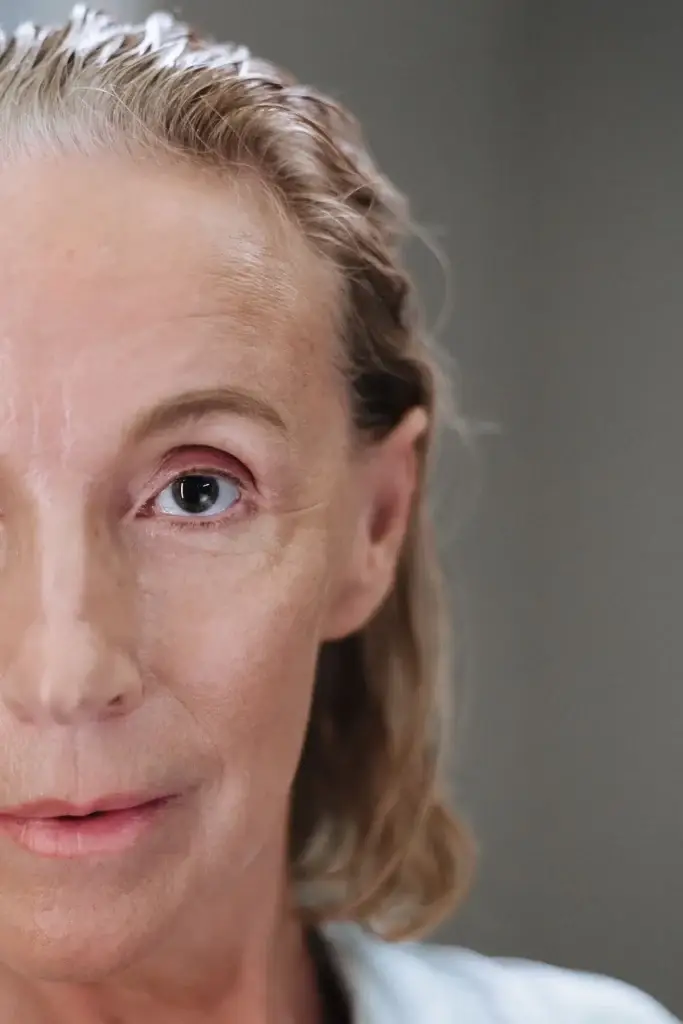
The short answer: the best treatment for dark circles under the eyes depends on what is causing them. Dark circles can come from pigment in the skin, blood vessels showing through thin skin, a shadow from a hollow or eye bag, or, most often, a mix of these. That’s why a proper assessment matters more than any single product, and why the best results usually come from combining treatments and having a course rather than a one-off.
“I look tired all the time, even when I’m not” is one of the most common things people tell me. Concealer, eye creams and early nights often make little difference, because they don’t treat the cause. Here is how I work out what is behind your dark circles, the treatments I use, and what you can realistically expect.
What causes dark circles under the eyes?
Doctors usually divide dark circles into four types. Most people have more than one.
| Type | What it looks like | What causes it |
|---|---|---|
| Pigment | Brown or grey-brown, often extending onto the lid | Extra melanin in the skin. Common in darker skin types and often runs in families. Sun and rubbing make it worse. |
| Vascular | Blue, purple or pinkish, often worse when tired | Very thin skin letting the blood vessels and muscle underneath show through |
| Structural (shadow) | A dark line or groove that changes with lighting | A hollow under the eye (the tear trough) or volume loss, casting a shadow |
| Bags and loose skin | Puffiness with a shadow underneath | Fat bulging forward and lax skin, usually with age |
Lifestyle plays a part too. Poor sleep, dehydration, alcohol, smoking, allergies and eczema (and the rubbing that comes with them) all make dark circles more noticeable, but they are rarely the whole story.
A simple test at home
Stand under an overhead light and tilt your face up towards it. If the darkness fades, it is mainly a shadow from a hollow or bag. If it stays, it is mainly pigment or blood vessels. Gently pressing the skin can also help: colour from blood vessels often fades for a moment, while pigment doesn’t.
Why an assessment is the most important step
The same-looking dark circle can have very different causes, and the wrong treatment can make things worse. Filler placed under a bag can make it look puffier, for example, and some lasers can darken pigment in darker skin types.
At your consultation, I’ll look at your under-eyes in different lighting, check the thickness and colour of your skin, assess any hollowing, bags or loose skin, and ask about allergies, eczema, sleep and your skin care. Only then will I recommend a plan, and I’ll tell you honestly if something is unlikely to help.
Treatments for dark circles under the eyes
Polynucleotides: for thin, crepey skin
Best for: vascular dark circles and thin, crepey skin, where the darkness comes from what is showing through.
How it works: tiny injections of purified DNA fragments that support collagen and improve skin quality. They don’t add volume.
The course: usually three sessions, two to three weeks apart, with the result building over the following two to three months and lasting about six to twelve months. A single top-up keeps it going.
The evidence: promising. A 2026 study of 61 people with all types of dark circles found they became significantly less severe after a course, although there was no comparison group. Read more about polynucleotides.
CO2 laser (mini-bleph): for crepey skin, fine lines and texture
Best for: crinkly, crepey under-eye skin and fine lines, often alongside other treatments.
How it works: a fractional CO2 laser treats tiny columns of skin, and as it heals, new collagen tightens and thickens it, so less shows through.
The course: usually a single treatment, with about a week of swelling and peeling and results building over three to six months. It needs careful assessment in darker skin types. Read more about the mini-bleph.
Tear trough filler: for a hollow, used carefully
Best for: a clear hollow under the eye in someone with good skin quality and no bags.
How it works: a small amount of hyaluronic acid filler softens the hollow, so it casts less shadow.
My view: it can work well in the right person, but the under-eye is one of the riskiest areas for filler. It can cause puffiness, a bluish tinge and swelling that lasts much longer than expected. I use it sparingly, and often suggest polynucleotides or fat grafting instead. Read more about dermal fillers.
Fat grafting: for hollows, with your own tissue
Best for: deeper hollows, especially if you’d like a longer-lasting result than filler.
How it works: a small amount of your own fat is taken by gentle liposuction, finely prepared and placed in the hollow. Finely filtered fat (nanofat) can also be used to improve the skin itself.
What to expect: the fat that survives lasts for years, but not all of it does, so a second session is sometimes needed. Read more about fat grafting to the face.
Lower eyelid surgery: for bags and loose skin
Best for: puffy bags with a dark shadow beneath them, or loose, crinkled lower eyelid skin.
How it works: the fat causing the bag is removed or moved down to fill the hollow beneath it, and the skin is tightened. The scar is hidden just under the lashes or inside the eyelid.
What to expect: a long-lasting result, with about 10 to 14 days off work. Read more about lower blepharoplasty.
Skin care at home: for pigment, and to protect your results
Daily broad-spectrum sunscreen helps stop pigment getting darker. For brown, pigment-type circles, creams containing ingredients such as vitamin C, niacinamide or a gentle retinoid can lighten the area over several months. For pigment, skin treatments such as IPL can also help, used with protective eye shields. Caffeine eye creams can reduce puffiness for a few hours, but they won’t change the cause. I’ll recommend products that suit your skin.
Why combination treatments and a course work best for dark circles
Because most people have more than one type of dark circle, a single treatment rarely fixes everything. A large review of 39 studies found that different treatments suit different causes: fillers and fat grafting for hollows, eyelid surgery for loose skin and bags, creams and peels for pigment, and lasers for both pigment and blood vessels. The authors also noted that good-quality evidence is limited, which is another reason to start with an honest assessment.
Some examples of how I combine treatments:
- Thin skin with a mild hollow: a course of polynucleotides, sometimes with a small amount of filler or fat.
- Crepey skin with some pigment: CO2 laser plus a home skin care plan.
- Bags with a shadow and crepey skin: lower eyelid surgery with fat repositioning, often with CO2 laser to the skin at the same time.
Regenerative treatments such as polynucleotides and laser work by helping your skin rebuild collagen, which takes time. A course of treatments, followed by occasional maintenance, gives a better and longer-lasting result than a single session.
What results can I expect?
Most people see a clear improvement: brighter, smoother skin and less shadowing, so they look fresher and less tired. Dark circles that run in families, or that are mainly pigment, can usually be improved but not completely removed. I’d always rather set realistic expectations and help you get a natural result.
Frequently asked questions
Are dark circles genetic?
Often, yes. Thin under-eye skin, pigment and the shape of the bones and fat around the eyes all run in families, which is why some people have dark circles from childhood.
Can dark circles be removed permanently?
Some causes can be treated for the long term. Eyelid surgery for bags and fat grafting for hollows last for years. Treatments for thin skin and pigment usually need occasional maintenance, because the skin keeps ageing.
Do eye creams work for dark circles?
They can help pigment-type circles a little over months, and protect your results, but they won’t fix thin skin, hollows or bags.
What is the difference between dark circles and eye bags?
Dark circles are a change in colour or a shadow. Eye bags are puffiness, usually from fat bulging forward. Bags often cause a shadow beneath them, so the two commonly appear together, and bags are best treated with lower eyelid surgery.
Does tear trough filler help dark circles?
Only when the darkness is a shadow from a hollow, and the skin is in good condition. It won’t help pigment or thin skin, and it can make bags look worse.
How much does dark circle treatment cost?
It depends on your plan. As a guide, polynucleotides start from £300 per session, a CO2 laser mini-bleph from £1,200, fat grafting to the face from £2,300 and lower eyelid surgery from £4,200. You’ll have a written quote after your consultation.
Next steps
If dark circles are making you look more tired than you feel, book a consultation at The Ü Clinic in Sevenoaks or Oxted. I’ll work out what is causing them and recommend the treatment, or combination, most likely to help.
Sources
- Sarkar R, Ranjan R, Garg S, Garg VK, Sonthalia S, Bansal S. Periorbital hyperpigmentation: a comprehensive review. Journal of Clinical and Aesthetic Dermatology 2016;9:49–55.
- Michelle L, Pouldar Foulad D, Ekelem C, Saedi N, Mesinkovska NA. Treatments of periorbital hyperpigmentation: a systematic review. Dermatologic Surgery 2021;47:70–4.
- Amado R, Al-Mukhtar Y, Lanza E, et al. A real-world study of polynucleotides HPT for treating periorbital hyperpigmentation. Clinical, Cosmetic and Investigational Dermatology 2026.

Mr Siva Kumar Veeramani
MBBS, BMed.Sci (Hons), MRCS, MBA, FRCS (Plast.). Consultant Plastic, Reconstructive & Cosmetic Surgeon practising across London, Kent, Surrey and Sussex. GMC 6114710.
About Mr Siva Kumar →