Blepharoplasty scars: will people be able to tell?
Where eyelid surgery scars sit, how they heal week by week, the best way to look after them, and how visible blepharoplasty scars really are once they have settled.

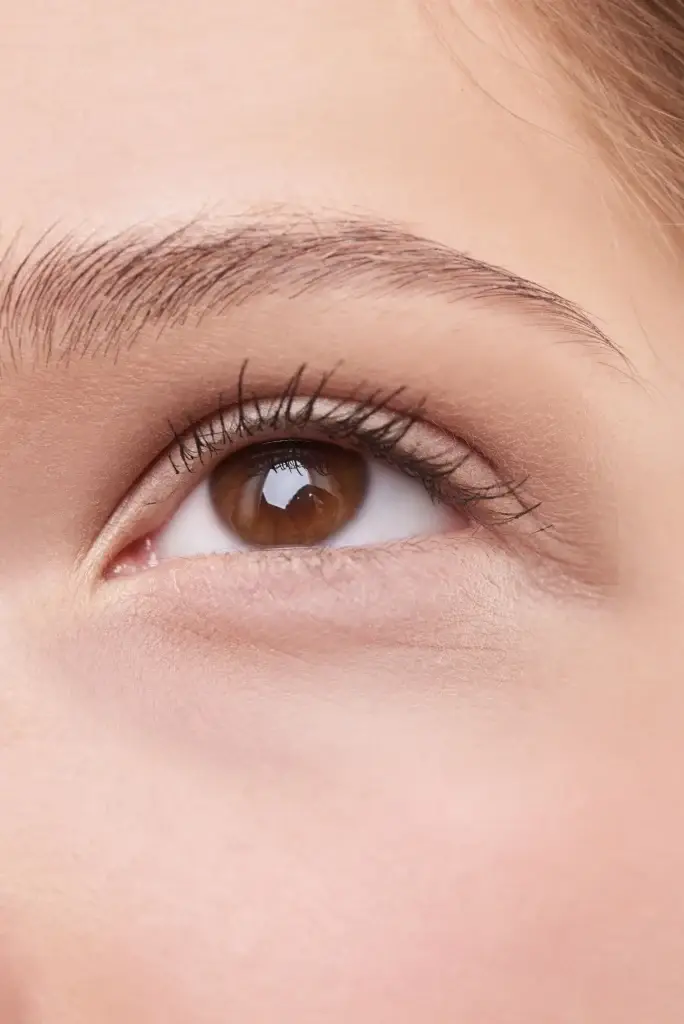
The short answer: once healed, blepharoplasty scars are usually very hard to see. For upper eyelid surgery, the scar sits in the natural crease of the eyelid and fades to a fine line over three to six months. For lower eyelid surgery, it sits just beneath the lashes, and with one approach there is no skin scar at all. Most people find that within a few weeks, nobody notices the scar but them.
Eyelid skin is some of the thinnest skin on the body, and it tends to heal remarkably well. That is one reason eyelid surgery scars are rarely a concern for my patients once they have settled. But it is completely natural to worry about a scar on your face, so here is exactly where they go, what they look like as they heal, and how to help them fade.
“Eyelid skin is very forgiving. When the scar is placed in the right spot, the natural crease does most of the hiding for you.”
Mr Siva Kumar, Consultant Plastic Surgeon
Where are blepharoplasty scars?
Upper eyelid surgery scars
In upper eyelid surgery, the incision follows the natural fold of the upper eyelid, the crease you can see when your eyes are open. Before surgery, I mark this carefully with you sitting up, so the scar sits exactly where your own crease is and both sides match.
When you look straight ahead, the scar is tucked inside the fold and is almost impossible to see. When your eyes are closed, it lies along the line of the crease, and once it has matured it looks like a natural skin line.
In some people the scar extends a little beyond the outer corner of the eye, into one of the natural laughter lines. This is often needed to remove all the loose skin at the side, which is usually where hooding is heaviest. It is the part of the scar that takes longest to fade, because the skin there is slightly thicker, but it usually blends in well once healed.
Lower eyelid surgery scars
There are two main approaches for lower eyelid surgery, and which one suits you depends on whether the problem is mainly loose skin, puffy fat, or both.
- Just under the lashes (subciliary). When there is excess, crinkled skin to remove, the incision is placed one to two millimetres beneath the lower lashes and may run a short way into a laughter line at the outer corner. Once healed, it is usually very difficult to see, because the lashes and their shadow disguise it.
- From the inside of the eyelid (transconjunctival). When the problem is mainly bulging fat and the skin is in good condition, the fat can be removed or repositioned through the inside of the eyelid. This is sometimes called scarless lower blepharoplasty, because it leaves no visible scar on the skin. A small amount of loose skin can sometimes be removed at the same time with a tiny “pinch” just under the lashes.
Blepharoplasty scar healing time
| When | What the scar usually looks like |
|---|---|
| Week 1 | Stitches in place. Bruising and swelling are what people notice, not the scar. Upper eyelid stitches come out at around seven days. |
| Weeks 2 to 4 | A fine pink line, sometimes slightly lumpy or tight. Most people go back to make-up after about two weeks, which helps disguise it. |
| Weeks 6 to 8 | Softer and flatter. Often only noticeable close up, with your eyes closed. |
| 3 to 6 months | Faded to a fine, pale line in the crease. The outer part may take a little longer. |
| 12 months | Fully mature. For most people, very hard to see. |
So how long do blepharoplasty scars stay red? Usually a few weeks for the main part of the scar, and up to three months or so at the outer corner. Do not judge the scar too early. It keeps improving for months.
Why eyelid scars heal so well
Several things work in your favour. Eyelid skin is very thin and has an excellent blood supply, so it heals quickly. There is little tension across the wound, because the skin is closed in its natural resting position. The scar sits in a crease or under the lashes, where shadow hides it. And eyelid skin has very few oil glands, which are one of the reasons scars elsewhere on the face can thicken.
“The commonest thing people tell me at their three-month check is that they had forgotten where the scar was. That is exactly what we are aiming for.”
Mr Siva Kumar, Consultant Plastic Surgeon
How to look after your blepharoplasty scars
- Follow your wound care instructions. Keep the area clean, use any ointment you are given, and do not pick at scabs or crusts.
- Use cold compresses in the first 48 hours to reduce swelling, which helps the wound settle.
- Protect the area from strong sun while it heals. Sunglasses help in more ways than one, and once the wound has closed a high-factor sunscreen suitable for the eye area helps the scar fade evenly.
- Avoid smoking and vaping, which slow healing everywhere, including the eyelids.
- Wait before using make-up on or near the scar until it has fully healed, usually around two weeks, and use fresh products.
- Massage gently if I advise it. From around three to four weeks, light massage with a plain moisturiser can soften a scar that feels tight or lumpy.
Most of these principles apply to any scar. I have written a longer guide on how to get the best possible scar after surgery.
What is the best cream for blepharoplasty scars?
Silicone gel has the best evidence for helping scars to flatten and fade, and some products are suitable for use near the eyes, once the wound has fully closed. Use only a thin layer, keep it out of the eyes themselves, and stop if it irritates. Beyond that, a simple, fragrance-free moisturiser and sun protection do more than most expensive scar creams. Vitamin E oil and similar products have not been shown to help, and they can cause irritation on thin eyelid skin.
What can go wrong with eyelid surgery scars?
Visible scarring after eyelid surgery is rare, but a few things can happen:
- Tiny white spots (milia) along the scar line are common in the first few weeks. They are harmless and usually clear on their own, or can be removed easily in clinic.
- A slightly lumpy or tight scar at the outer corner usually softens with time and gentle massage.
- A raised or thickened scar is uncommon on the eyelids. If it happens, it is usually at the outer end, and responds to silicone, massage and occasionally a small steroid injection.
- A scar that sits too high or is uneven is uncommon when the crease is carefully marked beforehand, and can be revised if needed.
Other issues, such as asymmetry, dry or watery eyes for a while, and difficulty closing the eyes fully at first, are more common than scarring problems, and are usually temporary. After lower eyelid surgery, the lower lid can be pulled down slightly, which is why careful technique matters so much. I go through all of this before anyone decides to go ahead.
Getting back to normal while the scars heal
The scars themselves rarely hold anyone back. It is the bruising and swelling that decide when you feel ready to be seen. As a guide, after upper eyelid surgery:
- Days 1 to 3: rest with your head raised and use cold compresses. Your eyes may feel tight, dry or watery, and closing them fully can feel a little stiff.
- Around a week: the stitches come out. Most people return to desk work and driving once the swelling allows clear vision.
- Around two weeks: make-up can go back on, and most bruising has faded. Contact lenses can usually be worn again once the eyes feel comfortable, typically after one to two weeks.
- Two to three weeks: back to the gym and swimming, once the wounds have fully healed.
Recovery after lower eyelid surgery tends to take a little longer, as the swelling below the eyes is slower to settle. If both upper and lower lids are treated together, plan for the longer end of these timings.
Will people be able to tell I have had eyelid surgery?
In the first week or two, people will notice bruising and swelling rather than the scars. After that, most people say friends simply comment that they look less tired or more rested. The aim of good eyelid surgery is that you still look like you, just fresher. Over-removing skin, or changing the shape of the eye, is what makes eyelid surgery obvious, and that is exactly what I plan to avoid.
Questions I’m often asked
Do blepharoplasty scars go away completely?
No scar disappears completely, but eyelid scars come closer than almost any other. Once mature, most are a fine line in the crease that is very hard to see.
Can I cover the scar with make-up?
Yes, once the wound has fully healed, usually after about two weeks. A light concealer or eyeshadow works well. Until then, keep make-up away from the wound to avoid infection.
Will eyelid surgery change the shape of my eyes?
It should not. Upper eyelid surgery removes the excess skin that hides your natural lid, so your eyes look more open, but the shape of the eye itself stays the same.
I have had eyelid surgery before and do not like my scar. Can it be improved?
Often, yes. Depending on the scar, options include steroid injections, laser treatment or scar revision surgery. I am happy to see people who had surgery elsewhere.
Next steps
You can read more on my upper eyelid surgery and lower eyelid surgery pages, and guide prices are on the eyelid surgery cost page. If you would like to talk it through, you can book a consultation at one of my clinics in Kent, Surrey and Sussex.

Mr Siva Kumar Veeramani
MBBS, BMed.Sci (Hons), MRCS, MBA, FRCS (Plast.). Consultant Plastic, Reconstructive & Cosmetic Surgeon practising across London, Kent, Surrey and Sussex. GMC 6114710.
About Mr Siva Kumar →