Upper eyelid surgery (upper blepharoplasty): what to expect
Heavy, hooded eyelids? A consultant plastic surgeon explains upper blepharoplasty: who it suits, the day of surgery, recovery day by day, scars, risks, results, cost and NHS or insurance funding.
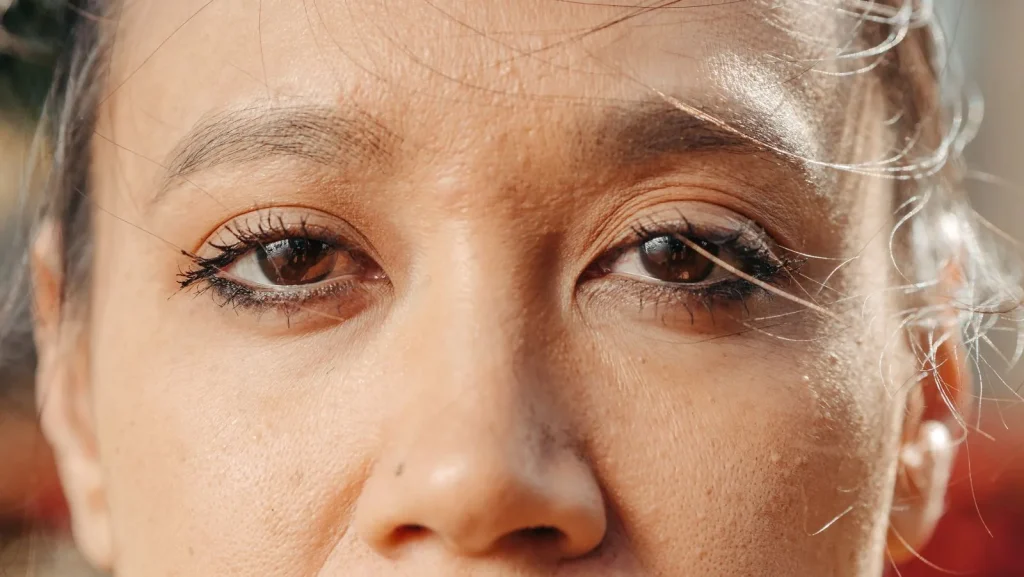
The short answer: upper blepharoplasty, or upper eyelid surgery, removes the excess skin that forms a fold or “hood” over the upper eyelids. It takes around an hour, you go home the same day, and most people are back at work about a week later once the stitches are out. The scar sits in the natural crease of the eyelid, and the result is long-lasting.
Heavy, hooded upper eyelids are one of the most common reasons people come to see me. For some it is about looking tired all the time, even after a good night’s sleep, or noticing it on video calls. For others the extra skin has started to get in the way of their vision, especially when reading, working at a screen or driving. Upper eyelid surgery is a short, well-established operation that can help with both.
“People often say they don’t want to look different, they just want to stop looking tired. Upper eyelid surgery is one of the most reliable ways to do exactly that.”
Mr Siva Kumar, Consultant Plastic Surgeon
Upper blepharoplasty at a glance
| Operation time | Around 60 minutes |
| Anaesthetic | Local anaesthetic, with or without sedation, or general anaesthetic |
| Hospital stay | Day case. You go home the same day |
| Stitches out | Around seven days |
| Back to work and driving | Usually about a week |
| Final result | Around three months |
| Guide price | From £3,500 |
What is upper eyelid surgery?
Upper blepharoplasty removes the excess skin, and sometimes a small amount of muscle or fat, that forms a fold over the upper eyelid. The medical term for this loose, overhanging skin is dermatochalasis. It is caused by the natural loss of elasticity with age, and it often runs in families, so some people notice it in their thirties.
Upper eyelid surgery is different from three other things that can make the eyes look heavy, and it is important to tell them apart:
- A low or heavy brow. As the forehead ages, the brow can drop and push skin down onto the eyelid. If that is the main problem, removing eyelid skin alone may not help much, and a brow lift may be needed instead or as well.
- Ptosis. This is when the eyelid itself droops, because the muscle that lifts it has stretched. The edge of the lid sits too low over the coloured part of the eye. It needs a different operation, called ptosis repair.
- Lower eyelid bags. Puffiness and loose skin under the eyes are treated with lower eyelid surgery, which can be combined with an upper blepharoplasty.
Often more than one is involved, so these are among the first things I assess at your consultation.
Am I a good candidate for upper blepharoplasty?
You may benefit from upper eyelid surgery if:
- the skin on your upper eyelids folds over your lashes or rests on them
- your eyes look heavy or tired, often most noticeable on video calls and in photos
- eye make-up is difficult to apply or smudges in the fold
- the excess skin narrows your field of vision, particularly to the sides and above
- the folds feel sore, sweaty or irritated, or you find yourself raising your eyebrows to see, which can cause forehead ache
Good candidates are generally in good health, do not smoke (or are willing to stop around the time of surgery) and have realistic expectations. If you have dry eyes, thyroid eye disease, glaucoma or have had eye surgery before, it is important to mention this, as it may change the plan. If your hooding is mild, a non-surgical skin-tightening treatment may be worth considering first.
Your consultation
At your consultation we talk about what bothers you and what you would like to achieve. I examine your eyelids, brow position, skin quality and how your eyes close, check for dry eye and look at your vision to the sides. We then agree a plan, discuss the risks and recovery, and I will answer every question you have before you decide anything. You will receive a clear written quote afterwards.
What happens on the day
- Marking. I mark the skin to be removed with you sitting up, matching your own crease so both sides are symmetrical.
- Anaesthetic. The operation can be done with you awake and the eyelids numbed with local anaesthetic, with sedation to help you relax, or with you asleep under general anaesthetic. If you are curious about the middle option, I have written about local anaesthetic with sedation.
- The operation. A carefully measured strip of skin is removed, along with a little muscle or fat if needed, and the wound is closed with fine stitches. It usually takes around 60 minutes for both eyes.
- Going home. You go home the same day. You will need someone to drive you and, ideally, to stay with you that first night.
Upper blepharoplasty recovery, day by day
The first 48 hours
Expect some swelling, bruising and a tight feeling around the eyes. Your eyes may feel dry or gritty, or water more than usual, and closing them fully can feel stiff. Cold compresses, resting with your head raised and simple pain relief help. You can usually shower after 24 hours, keeping the water off your face at first.
Days 3 to 7
Bruising and swelling settle steadily. Sleep on your back with your head raised for about seven days, and avoid heavy lifting, bending and strenuous exercise. Reading and screens are fine in short bursts, but you may find your eyes tire easily. Your stitches are removed at around seven days.
One to two weeks
By the time the stitches are out, most of the bruising has faded and most people return to work, driving and gentle exercise. Any remaining yellowish bruising can usually be covered with make-up from about two weeks, once the wounds have healed. Contact lenses can usually go back in after one to two weeks.
Three weeks to three months
The last of the swelling settles, the crease becomes crisper, and the scar softens and fades. The final result is usually seen at around three months. I have written in more detail about blepharoplasty scars and how they heal.
“By the two-week mark, most of my patients are back to normal life, and the most common comment they get is that they look well rested.”
Mr Siva Kumar, Consultant Plastic Surgeon
Is upper blepharoplasty painful?
Most people describe it as uncomfortable rather than painful. The area is numbed during surgery, and simple pain relief, such as paracetamol, is usually enough afterwards. The eyes tend to feel tight, dry and a bit bruised for a few days. Strong pain, especially with worsening swelling or a change in vision, is not normal and needs urgent attention.
Are there any risks?
Most patients have few or no problems after surgery. As with any operation, there are risks, which I discuss with you in detail. They include:
- bruising, swelling and discomfort, which are expected and temporary
- dry, gritty or watery eyes for a few weeks, usually helped by lubricating eye drops
- difficulty closing the eyes fully at night for a short time (lagophthalmos), which usually settles as healing progresses
- slight asymmetry between the two sides
- infection, slow wound healing or small cysts along the scar
- removing too little or, rarely, too much skin, occasionally needing a revision
- bleeding behind the eye, which can affect vision. This is extremely rare, but it is the reason you should seek urgent help for severe pain, rapidly increasing swelling or any change in vision.
How long do the results last?
Results are long-lasting, and for most people upper blepharoplasty is a once-in-a-lifetime operation. The skin that is removed does not come back, although natural ageing continues, so many people enjoy a fresher, more open look for ten years or more. If the brow drops further over time, that may need attention later.
How much does upper blepharoplasty cost in the UK?
Upper eyelid surgery has a guide price from £3,500. Your final fee depends on your treatment plan, the anaesthetic and the hospital you choose, and is confirmed in a formal written quote after your consultation. See eyelid surgery costs for what the price includes.
Can I get upper eyelid surgery on the NHS or through insurance?
Upper eyelid surgery for cosmetic reasons is not available on the NHS. Some NHS areas will fund it when the excess skin significantly blocks your vision, usually confirmed with a visual field test, but criteria are strict and vary across the country. If the excess skin is affecting your vision, some private health insurers may consider surgery, so it is worth checking your policy before your consultation. Your insurer will need my full name, Mr Siva Kumar Veeramani, and my GMC number, 6114710.
Questions I’m often asked
Will people be able to see the scar?
The scar sits in the natural crease of the upper eyelid, so once it has healed it is usually very hard to see, even when your eyes are closed.
How soon can I go back to work?
Most people return to work after about seven days, once the stitches are out. If your job involves heavy lifting, or you would rather wait until all the bruising has gone, plan for two weeks.
When can I drive after upper blepharoplasty?
Usually after about a week, once the swelling has settled, your vision is clear and you are not taking anything that makes you drowsy.
Can I have my lower eyelids done at the same time?
Yes, upper and lower eyelid surgery can be combined, and recovery is shared. We can discuss whether that would help at your consultation.
Does upper blepharoplasty change the shape of the eyes?
It should not. It reveals your natural eyelid by removing the skin that hides it, so your eyes look more open, but the shape of the eye stays the same.
Is upper blepharoplasty worth it?
For the right person, it is one of the most satisfying operations I do, with a short recovery and a long-lasting result. The key is making sure the problem really is excess eyelid skin, rather than a low brow or a drooping lid, which is what the consultation is for.
Next steps
If heavy upper eyelids are bothering you, the best next step is a consultation, in person at one of my clinics in Kent, Surrey and Sussex or by video. You can read more on the upper eyelid surgery page, see before and after photographs, or book a consultation.
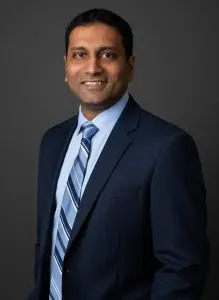
Mr Siva Kumar Veeramani
MBBS, BMed.Sci (Hons), MRCS, MBA, FRCS (Plast.). Consultant Plastic, Reconstructive & Cosmetic Surgeon practising across London, Kent, Surrey and Sussex. GMC 6114710.
About Mr Siva Kumar →