How to look after a skin graft

The short answer: for the first week, keep the dressing on, dry and undisturbed, rest, and avoid stretching or knocking the area, so the graft can take. After the dressing is removed, usually at about one week, wash it gently, keep it moisturised once healed, massage it when advised, and protect it from the sun for at least a year. Most grafts settle well, but the colour and texture keep improving for many months.
A skin graft is a thin layer of skin moved from one part of your body to cover a wound, often after removing a skin cancer. A graft has no blood supply of its own at first: over the first week, new blood vessels grow into it from the wound underneath. Everything you do in that first week is about protecting that process.
Two types of skin graft
- Full-thickness grafts take the whole thickness of the skin, usually from in front of or behind the ear, the neck, the collarbone or the inner arm. The place it was taken from (the donor site) is stitched closed. These grafts are often used on the face, as they match the colour and texture better.
- Split-thickness grafts take a thinner layer, usually from the thigh. The donor site heals like a graze, from the edges.
The first week: protect the graft
- Keep the dressing on, clean and dry. It is often a padded dressing stitched or taped over the graft to hold it firmly against the wound. Do not lift it to look.
- Rest the area. Avoid stretching, bending or rubbing it. If the graft is on your leg, keep it raised as much as possible and only walk short distances, as advised.
- Keep it dry when you wash.
- Sleep without lying on the graft. If it is on your face or scalp, sleeping with your head raised reduces swelling.
- Avoid smoking and vaping, which reduce the blood supply the graft depends on.
- Take simple painkillers such as paracetamol if needed.
When the dressing comes off
The dressing and any stitches are usually removed at your clinic appointment after about a week. At first a graft often looks purple, dark red or slightly shiny, with some crusting around the edge. This is normal.
Weeks 2 to 6: gentle care
- Wash gently with mild soap and water, and pat dry.
- Do not pick or rub off any crusts; they come away on their own.
- Once the surface has healed, moisturise twice a day with a plain, unperfumed cream. Grafts do not have their own oil glands at first, so they become dry.
- When advised, usually from about 2 to 3 weeks, gently massage the graft with moisturiser in small circles for a few minutes a day. This helps it soften and flatten.
- Avoid swimming, saunas and heavy exercise that stretches the area until I say it has healed.
The months after: protect it from the sun
New grafts burn easily and can darken permanently in the sun. Cover the area, or use SPF 50 sunscreen, for at least 12 months. The colour and texture usually keep improving for a year or more, and the graft often blends in well with time.
A graft can feel numb or different to touch for several months, and some feeling often returns. Be careful with heat, such as hot-water bottles and hairdryers, on an area that feels numb.
Looking after the donor site
- Full-thickness donor site: a stitched wound, cared for like any small surgical cut. Keep it clean and dry until the stitches are removed.
- Split-thickness donor site: like a large graze. It is covered with a dressing and usually heals in about 2 weeks. It can be more sore than the graft itself. Once healed, moisturise it and protect it from the sun, as it may stay a different colour for some months.
When to get help
- Bleeding that does not stop with 10 minutes of firm pressure
- Increasing pain, swelling, redness spreading around the graft, pus or an unpleasant smell
- A fever or feeling unwell
- The dressing coming loose in the first week
- The graft turning black, or lifting away from the wound
If you are worried, please contact us. It is always better to check.
Quick questions
How long does a skin graft take to heal?
A graft usually takes within the first week and the surface heals over 2 to 3 weeks. The colour and texture keep improving for a year or more.
When can I get my skin graft wet?
Keep it dry until the first dressing has been removed, usually after about a week. After that, you can usually shower and wash it gently, as advised.
Why does my skin graft look dark or purple?
This is common in the first weeks while new blood vessels grow in, and it fades with time. Contact us if it turns black, smells or lifts away from the wound.
Will my skin graft match my skin?
Not exactly at first, but it usually blends in better over months. Sun protection for at least a year helps the colour settle evenly.
When can I exercise after a skin graft?
Avoid exercise that stretches or rubs the area until it has healed, usually 2 to 4 weeks, depending on where the graft is.
Next steps
Read more about facial reconstruction after skin cancer, Mohs surgery and how to minimise scarring after surgery. If you would like to discuss skin cancer surgery, you are welcome to book a consultation.
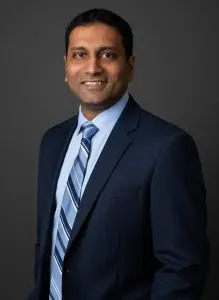
Mr Siva Kumar Veeramani
MBBS, BMed.Sci (Hons), MRCS, MBA, FRCS (Plast.). Consultant Plastic, Reconstructive & Cosmetic Surgeon practising across London, Kent, Surrey and Sussex. GMC 6114710.
About Mr Siva Kumar →