Acral melanoma: how to spot melanoma on the feet, hands and nails
Acral melanoma grows on the soles, palms and under the nails, and is not caused by the sun. A skin cancer surgeon explains the CUBED warning signs, nail stripes, diagnosis and treatment.

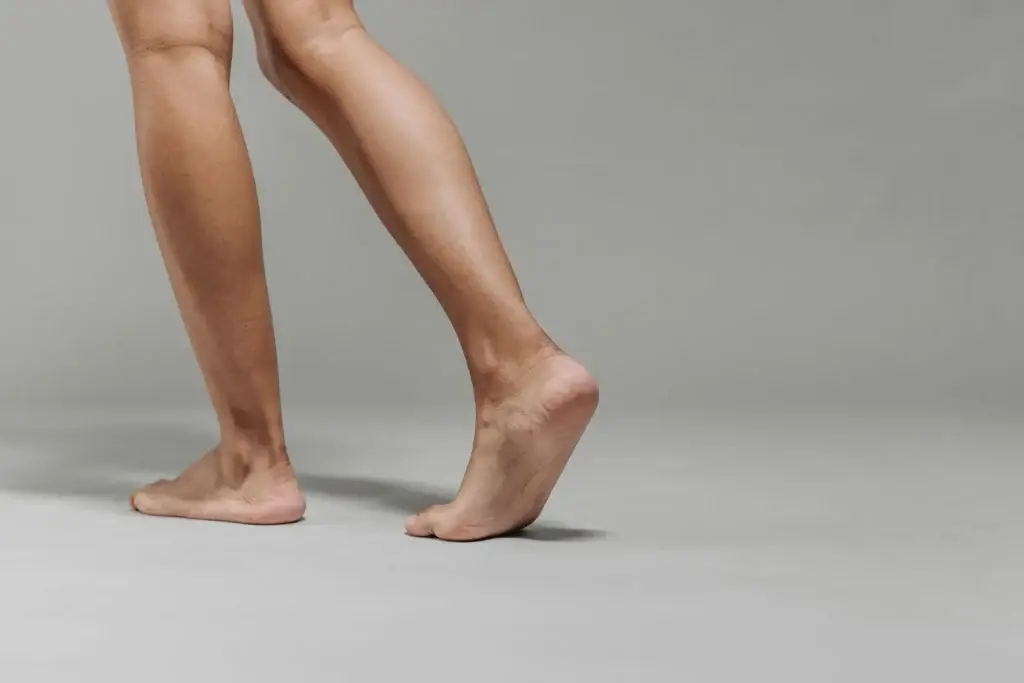
The short answer: acral melanoma is a rare type of melanoma that grows on the soles of the feet, the palms of the hands and under the nails. It isn’t caused by the sun, it can affect anyone, and it is the most common type of melanoma in people with brown or black skin. Because it grows where we rarely look, and often looks like a bruise, blood blister, wart or fungal nail, it tends to be found later than other melanomas. Any mark on a sole, palm or nail that is new, changing, bleeding or not healing should be checked.
I treat melanoma every week, and acral melanomas are among the ones that worry me most. Not because they are common, but because they are so often missed. I wrote recently about my patient Steve Legg, whose melanoma began as a small dark mark on the sole of his foot that his wife first thought was something he had stood on. You can read what his book taught me about melanoma. His story is the reason I wanted to write this guide.
“The sole of the foot is one of the few places on the body that nobody checks. That is exactly why acral melanoma is so often found late.”
Mr Siva Kumar, Consultant Plastic Surgeon
What is acral melanoma?
“Acral” means the extremities: the hands and feet. Acral melanoma is a melanoma that starts in the pigment cells of the thick, hairless skin of the soles and palms, or in the nail. Most are a type called acral lentiginous melanoma, which usually starts as a flat, slowly spreading patch of pigment before it grows deeper into the skin.
There are three places to know about:
- The soles of the feet, especially the heel and the ball of the foot. This is the most common site.
- The palms of the hands, which is less common.
- Under or around a nail, most often the big toe, the thumb or the index finger. Doctors call this subungual melanoma.
Who gets acral melanoma?
In the UK, only about 1 to 3 in every 100 melanomas are acral lentiginous melanomas. But that figure hides something important. Acral melanoma occurs at a similar rate in people of every skin colour. Because sun-related melanomas are much less common in brown and black skin, acral melanoma makes up a far bigger share of the melanomas seen in people of African, Caribbean and Asian heritage. It is most often diagnosed in middle-aged and older adults.
It is not linked to sunburn, sunbeds or time spent outdoors, and the cause is still not fully understood. That means sun cream, while important for other reasons, will not prevent it. Knowing what to look for is what makes the difference.
Why is acral melanoma found late?
- We don’t look. Few people check the soles of their feet, and many of us can’t easily see them.
- It looks like something harmless. A bruise, a blood blister, a wart or verruca, a corn, a fungal nail or a sore that is slow to heal. Studies suggest that a quarter to a third of melanomas on the foot are first thought to be something else.
- It usually doesn’t hurt.
- The usual checklist doesn’t fit. The ABCDE rules for moles were designed for sun-exposed skin, and work less well on the soles and nails.
- Myths. Many people believe melanoma only affects fair skin, or is always caused by the sun.
Being found later matters. Acral melanomas are more often thicker by the time they are diagnosed, and thickness is the most important factor in how likely a melanoma is to spread. That is a large part of why acral melanoma has a poorer outlook, on average, than other melanomas. Caught early, the outlook is good.
What to look for: the CUBED checklist
For marks on the feet, specialists use a different checklist called CUBED. I find it more useful on the soles than the familiar ABCDE rules:
- C, colour: any part of the mark is not skin-coloured, or it has more than one colour.
- U, uncertain: nobody is quite sure what it is.
- B, bleeding: bleeding or oozing on the foot or under a nail, including a raw, red patch that keeps coming back.
- E, enlargement: it is getting bigger, or getting worse despite treatment.
- D, delay in healing: a sore or mark that has not healed after two months.
If two or more apply, see your GP and ask about a specialist referral. If only one applies but you are worried, get it checked anyway.
Remember that acral melanoma is not always dark. Some are pink or red, with little or no pigment, and look like a wart or a patch of raw skin that won’t heal.
Nails: when is a dark line a worry?
A brown or black stripe running along a nail is common and usually harmless, especially in people with darker skin, who often have stripes in several nails. Bruising under a nail is common too. Nail melanoma usually starts as a single stripe in one nail. These are the signs that need checking:
- a single new stripe in one nail in an adult, especially in the thumb, big toe or index finger
- a stripe that is wider than about 3 mm, getting wider (particularly at the base), darker, or has blurred edges
- pigment spreading onto the skin around the nail, known as Hutchinson’s sign
- a nail that is splitting, lifting or bleeding without a clear reason
- a personal or family history of melanoma
Bruise or melanoma? A bruise under a nail usually follows an injury and grows out with the nail, moving towards the tip. A melanoma stripe starts at the base of the nail and stays. Take a photo and look again after a few weeks. Fingernails grow about 3 mm a month and toenails more slowly, so a toenail bruise can take months to grow out. If you are not sure, get it checked rather than wait.
On the heel, a cluster of tiny black dots after running or sport is often “talon noir”, or black heel, which is simply dried blood in the skin. A doctor can usually confirm this in minutes with a dermatoscope.
How to check your feet, hands and nails
- Once a month, in good light, look at the soles of both feet, your heels, between your toes and around your toenails.
- Use a hand mirror, or ask someone to look for you. A phone photo of each sole makes it easy to compare next time.
- Check your palms, fingers and fingernails.
- Take off nail varnish now and then so you can see your nails properly.
- If you are unsure about a mark, photograph it next to a ruler or a coin and compare it in a month.
If you have diabetes and already check your feet every day, or you see a podiatrist, you are well placed to spot a change early. My guides on when to worry about a mole and how quickly a mole needs to be checked explain the routes to a check, and the second includes a short self-check.
How acral melanoma is diagnosed
A specialist will examine the mark with a dermatoscope, a magnifier with a special light. The skin on the soles and palms has fine ridges and furrows, like a fingerprint. Harmless moles there tend to have their pigment in the furrows, while melanoma tends to put pigment along the ridges, a pattern specialists look for closely. A larger mark on the sole, or any mark that is changing, is usually sampled.
The diagnosis is confirmed with a biopsy, ideally removing the whole mark so the pathologist can see all of it. For a nail, the biopsy is taken from the nail bed or the area at the base of the nail where it grows, under local anaesthetic. If your GP is concerned, they should refer you urgently on the suspected cancer pathway.
How acral melanoma is treated
Surgery is the main treatment. The melanoma is removed with a margin of healthy skin around it, usually 1 to 2 cm depending on its thickness, just as for other melanomas. On the sole of the foot, that leaves a wound on skin that takes your weight with every step, so how it is repaired matters a great deal. This is where plastic surgery comes in:
- A skin graft can work well on areas that carry little weight, such as the arch of the foot.
- A local flap, which moves nearby tough sole skin into the gap, is often better for weight-bearing areas such as the heel or the ball of the foot.
- A dermal substitute, a temporary scaffold that the body turns into a new layer of tissue, is sometimes used first, followed by a graft.
For a nail melanoma caught early, it is often possible to remove the whole nail unit and graft the area, keeping the finger or toe. A thicker nail melanoma may mean removing part of the finger or toe.
“On the sole of the foot, removing the melanoma is only half the job. You will walk on that repair for the rest of your life, so I plan it as carefully as the cancer surgery itself.”
Mr Siva Kumar, Consultant Plastic Surgeon
Depending on the thickness of the melanoma, you may be offered a sentinel lymph node biopsy to check whether it has reached the lymph nodes, usually in the groin for the foot or the armpit for the hand. If the melanoma has spread, treatment with immunotherapy or targeted drugs may be offered by the oncology team.
Acral melanomas are also different genetically. Only about 1 in 5 carries the BRAF gene change that targeted tablets work against, compared with about half of other melanomas, and on average they respond less well to immunotherapy, although many people still benefit. That is one more reason why finding them early matters so much. After treatment, it is worth learning how to check your own lymph nodes.
Questions I’m often asked
Is acral melanoma caused by the sun?
No. It grows on skin that rarely sees the sun, and it is not linked to sunburn or sunbeds. Its cause is still not fully understood.
Can people with dark skin get melanoma?
Yes. Acral melanoma occurs at a similar rate in all skin colours, and it is the most common type of melanoma in people with brown or black skin. Checking the soles, palms and nails matters whatever your skin colour.
Is a black spot on the bottom of my foot cancer?
Usually not. Most are bruises, blood blisters or marks from footwear, and these fade within a few weeks. A mark that stays, grows, changes colour, bleeds or has an irregular edge should be checked by a doctor.
What does acral melanoma look like?
Often a flat brown or black patch with uneven colour and an irregular edge, which slowly gets bigger. Later it may thicken, form a lump or break down into a sore. Some are pink or red rather than dark.
Is a dark line on my nail melanoma?
Usually not. Stripes in the nails are common and mostly harmless. A single new stripe in one nail in an adult, a stripe that is widening or darkening, or pigment on the skin around the nail should be checked.
How fast does acral melanoma grow?
Many acral melanomas spread slowly across the surface of the skin at first, sometimes over months or years, before growing deeper. That early phase is the best time to find them.
Is acral melanoma more dangerous than other melanomas?
On average the outlook is poorer, largely because it tends to be found later and thicker. When it is found early and removed, the outlook is good.
Who should I see about a mark on my foot?
Start with your GP, who can refer you urgently if needed. You can also see a skin cancer specialist privately. Podiatrists often spot these marks first, so mention anything you are worried about at your next appointment.
Next steps
If you are worried about a mark on your foot, hand or nail, you are welcome to book a skin check. There is more on my mole check and melanoma treatment pages, and about skin cancer surgery and reconstruction.
Sources
- Cancer Research UK. Types of melanoma.
- Melanoma Focus. Acral lentiginous melanoma.
- StatPearls. Acral lentiginous melanoma (including the CUBED checklist and talon noir).
- StatPearls. Subungual melanoma.
- Management of acral and mucosal melanoma. The Oncologist, 2022.
- NICE. Suspected cancer: recognition and referral (NG12).

Mr Siva Kumar Veeramani
MBBS, BMed.Sci (Hons), MRCS, MBA, FRCS (Plast.). Consultant Plastic, Reconstructive & Cosmetic Surgeon practising across London, Kent, Surrey and Sussex. GMC 6114710.
About Mr Siva Kumar →