Should I take vitamin D after melanoma diagnosis?
Why vitamin D matters after melanoma, what the research shows, how much to take, and why taking more does not help.

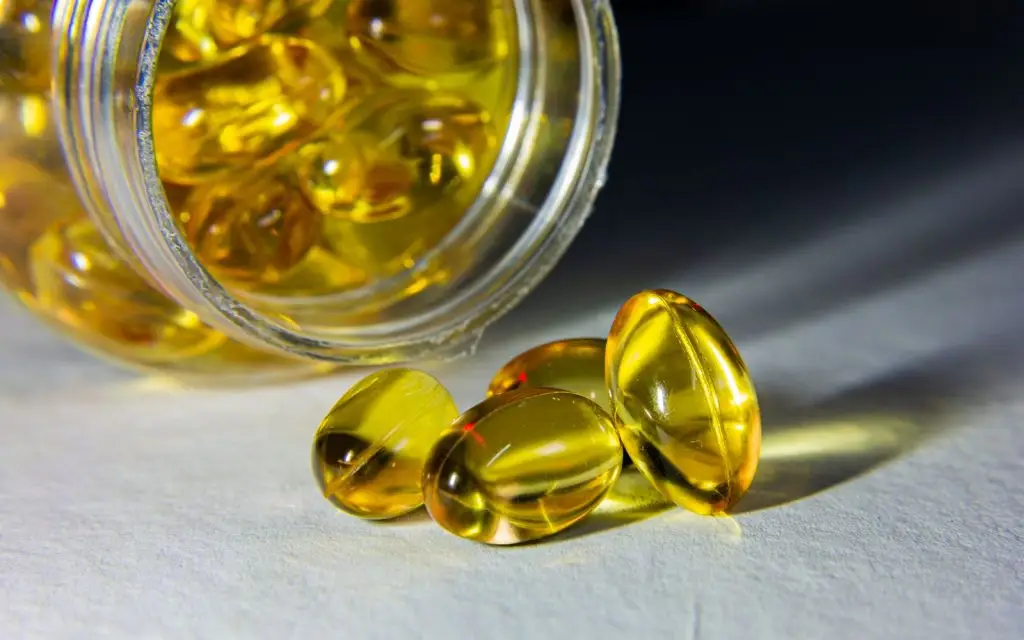
The short answer: for most people, yes, a standard daily vitamin D supplement is sensible after melanoma. Protecting your skin from the sun is important after melanoma, and that means your body makes less vitamin D. A supplement keeps your level normal. What vitamin D won’t do is stop melanoma coming back: a large trial of high-dose vitamin D found no benefit. The aim is a normal level, not a high one.
This is one of the questions I’m asked most often in clinic, usually straight after the conversation about sun protection. It makes complete sense. You’ve just been told to stay out of the midday sun, cover up and wear sunscreen every day, and you’ve probably also read that vitamin D is good for you, and even that it might protect against cancer. So which is it? In this article I go through what the research actually shows, what UK guidance recommends, how much to take, and the questions people most often ask me.
Why does vitamin D matter after melanoma?
Most of our vitamin D is made in the skin when it’s exposed to the ultraviolet B (UVB) rays in sunlight. A little comes from food. Vitamin D helps the body absorb calcium, keeping bones and muscles healthy, and it plays a part in the immune system.
After melanoma, I advise my patients to protect their skin: shade in the middle of the day, covering up, a hat and a high-factor sunscreen. That advice is right, because UV exposure is the main avoidable cause of melanoma and having had one melanoma raises your risk of another. But it does mean your skin makes less vitamin D.
In the UK, there’s an added problem. Between October and March, the sun is too low in the sky for the skin to make much vitamin D at all, whatever you do. National surveys suggest that around one in six adults in the UK has a low vitamin D level, with more people low by the end of winter, even before any melanoma diagnosis.
“I never want sun protection advice to leave someone worried about their bones. The answer isn’t to go back in the sun. It’s a simple, inexpensive supplement.”
Mr Siva Kumar, consultant plastic surgeon
Does low vitamin D make melanoma worse?
People with low vitamin D do seem to do less well, but that doesn’t prove the low vitamin D is the cause.
The best-known research comes from the Leeds Melanoma Cohort, a large UK study that has followed thousands of people with melanoma. In a 2009 analysis of 872 people, those with higher vitamin D levels when their melanoma was diagnosed had thinner melanomas and were less likely to relapse. A later analysis of more than 2,000 people from the same cohort found the same pattern.
The difficulty is that studies like this can only show a link. Low vitamin D can simply be a marker of other things, such as general health, weight, activity levels or how much time someone spends outdoors. The only way to find out whether vitamin D itself makes a difference is a randomised trial.
Does taking vitamin D stop melanoma coming back?
No. That’s what the best trial so far found.
In the ViDMe trial, published in the British Journal of Dermatology in 2024, 436 people who had had their melanoma removed (stages IA to III) were given either a high dose of vitamin D (100,000 units once a month) or a placebo, without knowing which. They were followed for a median of around four years.
- Vitamin D levels went up in the vitamin D group, and the treatment was safe.
- It made no significant difference to the chance of the melanoma coming back.
- There was no difference in deaths from melanoma, or in overall survival.
The researchers concluded that they couldn’t recommend high-dose vitamin D to improve outcomes in melanoma. Other trials are under way, including one in Australia, and they may tell us more about particular groups. For now, the evidence points one way: avoid being low in vitamin D, because that’s bad for your general health, but don’t take large doses in the hope of treating or preventing melanoma.
What about vitamin D and cancer more generally?
Very large trials in healthy adults, including the American VITAL trial of more than 25,000 people, haven’t shown that vitamin D supplements prevent cancer overall. There’s a hint in some analyses that vitamin D might slightly reduce deaths from cancer, but this hasn’t been confirmed, and it doesn’t apply specifically to melanoma.
What does UK guidance say about vitamin D after melanoma?
- NICE, which writes guidance for the NHS, recommends that everyone diagnosed with melanoma has their vitamin D level measured at diagnosis. If it’s low, you should be given advice about supplements and about having it checked again.
- The NHS advises everyone in the UK to consider taking 10 micrograms of vitamin D a day during autumn and winter. It recommends taking it all year round if you don’t get outdoors often, or usually cover your skin when you’re outside. After melanoma, that describes many people.
- The government’s Scientific Advisory Committee on Nutrition set the 10 microgram daily intake in 2016, to keep almost everyone’s blood level above 25 nmol/L, the level below which bone health is at risk.
How much vitamin D should I take after melanoma?
- 10 micrograms (400 units) a day is the standard daily dose for adults, and it’s enough for most people.
- If a blood test shows your level is low, your GP or skin cancer team may suggest a higher dose for a few weeks to bring it back up, then a daily dose to keep it there.
- Don’t take more than 100 micrograms (4,000 units) a day unless a doctor has advised it. More isn’t better. Too much vitamin D over a long time can raise the calcium in your blood, which can harm your kidneys and heart.
Labels can give the dose in micrograms (µg) or international units (IU). One microgram is 40 units, so 10 micrograms is the same as 400 units, and 25 micrograms is 1,000 units.
Check with your GP or pharmacist before you start if you have kidney disease, kidney stones, sarcoidosis or a high calcium level, or if you take regular medicines.
What do the blood test numbers mean?
The test measures 25-hydroxyvitamin D in your blood. Laboratories differ slightly, but as a rough guide in the UK:
- below 25 nmol/L: deficient, and treatment is recommended
- 25 to 50 nmol/L: may be inadequate for some people
- above 50 nmol/L: sufficient for almost everyone
There’s no evidence that pushing your level well above the normal range helps with melanoma.
“The message I give is ‘normal, not high’. A normal vitamin D level is good for your health. Megadoses aren’t a treatment for melanoma, and they can cause harm.”
Mr Siva Kumar
Can’t I just get some sun?
Please don’t sunbathe or use a sunbed to boost your vitamin D. The same UV rays that make vitamin D also damage the DNA in skin cells, and that damage is what causes melanoma. A supplement is the safe way to keep your level up, with none of the risk.
That doesn’t mean hiding indoors. Everyday time outdoors, such as walking, gardening or exercise, is good for your physical and mental health. Just protect your skin while you do it, especially between 11am and 3pm from March to October. Even with good sun protection, most people still make some vitamin D in summer.
Can I get enough vitamin D from food?
Food helps a little, but it’s hard to get enough from diet alone. Good sources include:
- oily fish, such as salmon, sardines, herring and mackerel
- egg yolks
- red meat and liver (avoid liver if you’re pregnant)
- fortified foods, such as some breakfast cereals, spreads and plant milks
Quick questions
Will vitamin D stop my melanoma coming back?
No. The best trial so far found that high-dose vitamin D didn’t reduce the chance of melanoma coming back. Your follow-up appointments, your own skin and lymph node checks, and any scans your team arranges are what matter most.
Can I have my vitamin D level checked?
Yes. It should be checked when you’re diagnosed. If it wasn’t, or you’d like it rechecked, ask your skin cancer team or your GP. It’s a simple blood test.
Which type of vitamin D should I buy?
Most supplements contain vitamin D3 (cholecalciferol), which is what I usually suggest. If you’re vegan, look for a plant-based D3 or a vitamin D2 supplement. A simple, inexpensive product is fine. You don’t need a high-strength one.
Does vitamin D lower the risk of a new melanoma?
Some studies have found fewer melanomas in people who take vitamin D regularly, but they can’t prove that the vitamin D was the reason. It hasn’t been shown in a trial, so the best protection against a new melanoma is still sun protection and checking your skin.
Does sunscreen cause vitamin D deficiency?
In everyday life, not usually. Most people don’t apply enough sunscreen, or reapply it often enough, to block vitamin D production completely. If you cover up and avoid the sun as well, a supplement makes sense.
I’m having treatment from an oncologist. Can I take vitamin D?
Usually, yes, at the standard dose. Tell your oncology team about every supplement you take, including vitamin D, so they can check it’s right for you alongside your treatment.
Should my family take vitamin D too?
NHS advice to consider a daily supplement in autumn and winter applies to everyone, including children over one, at age-appropriate doses. If close relatives have had melanoma, they should also take extra care in the sun and know how to check their skin.
Next steps
If you’ve had melanoma, keep an eye on your skin and get any new or changing mole looked at. Read when a mole needs to be checked, or book an appointment with me at The Ü Clinic in Sevenoaks or Oxted for a mole check or mole mapping.
Sources
- De Smedt J, et al. High-dose vitamin D supplementation does not improve outcome in a cutaneous melanoma population: results of a randomized double-blind placebo-controlled study (ViDMe trial). British Journal of Dermatology 2024. PubMed 38913652
- Newton-Bishop JA, et al. Serum 25-hydroxyvitamin D3 levels are associated with Breslow thickness at presentation and survival from melanoma. Journal of Clinical Oncology 2009;27:5439–44. PubMed 19770375
- NICE. Melanoma: assessment and management (NG14). nice.org.uk
- Scientific Advisory Committee on Nutrition. Vitamin D and health. 2016.
- Manson JE, et al. Vitamin D supplements and prevention of cancer and cardiovascular disease (VITAL). New England Journal of Medicine 2019;380:33–44.
- NHS. Vitamin D. nhs.uk

Mr Siva Kumar Veeramani
MBBS, BMed.Sci (Hons), MRCS, MBA, FRCS (Plast.). Consultant Plastic, Reconstructive & Cosmetic Surgeon practising across London, Kent, Surrey and Sussex. GMC 6114710.
About Mr Siva Kumar →