What my patient’s book taught me about melanoma
Comedian Steve Legg wrote The Last Laugh about living with melanoma. His surgeon reflects on what it taught him about diagnosis, family, immunotherapy, trust and the questions worth asking.

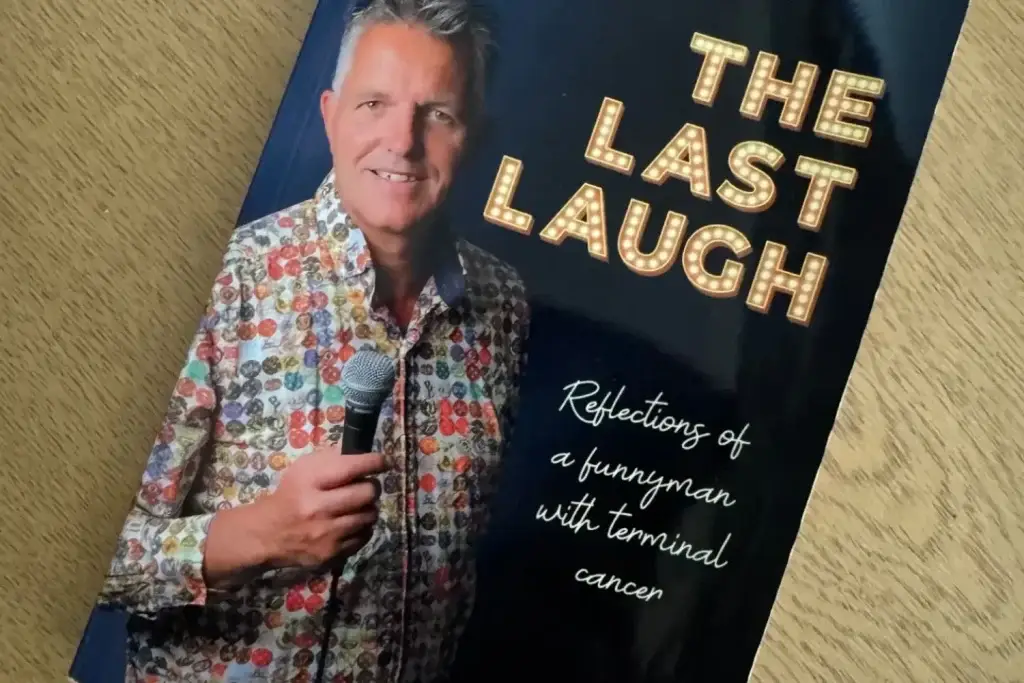
The short answer: after a melanoma diagnosis, people need time, honest information they can take home, and someone to ask when the questions arrive at two o’clock in the morning. They also need us to remember that the diagnosis lands on a whole family, not just one person. I have always tried to work that way, but a book written by one of my patients, the comedian Steve Legg, showed me just how much it matters.
Steve was a comedian, magician and escapologist, a speaker and the editor of Sorted magazine. He was also my patient. He came to see me after his wife noticed a dark mark on the sole of his foot, which turned out to be a melanoma. Later, after the cancer had spread, he wrote a book about the whole experience: The Last Laugh: Reflections of a funnyman with terminal cancer. Steve died in September 2024, aged 57. His family have kindly given me permission to write about him, and I am grateful to them.
“Reading Steve’s book, I recognised every appointment. What I hadn’t fully seen, until then, was everything that happened in between them.”
Mr Siva Kumar, Consultant Plastic Surgeon
A dark mark on the sole of his foot
Steve’s melanoma started as a small dark mark on the sole of his foot. His wife, Bekah, first thought it was something he had stood on, or a little blood blister. It turned out to be an acral lentiginous melanoma, a rare type of melanoma that grows on the soles of the feet, the palms of the hands and under the nails.
Acral melanoma: the melanoma that has nothing to do with the sun
Steve’s story is a reminder that not every melanoma looks like a changing mole on sun-exposed skin. Acral melanoma behaves differently from the melanomas most people have heard about:
- It isn’t caused by the sun. It grows on skin that rarely sees sunlight, so sun protection does not prevent it.
- It is rare, but it affects every skin colour. Only about 1 to 3 in every 100 melanomas in the UK are this type, but it is the most common type of melanoma in people with brown or black skin.
- It is easy to miss. Few of us look at the soles of our feet, and an early acral melanoma can look like a bruise, a blood blister, a wart or a mark from a shoe. That is one reason it is often found later than other melanomas.
Check the soles of your feet, your palms and your nails. A bruise or blood blister usually fades or grows out over a few weeks. A mark that stays, spreads, changes, bleeds or has an irregular edge or colour should be checked, as should a new dark streak in a nail. Steve did exactly the right thing: he took a photo, showed his doctor and was referred. If you are unsure about a mark, my guides on when to worry about a mole and how quickly a mole needs to be checked will help, and the second includes a short self-check.
Reading about my own care
I was Steve’s plastic surgeon at the start of his treatment. I removed the melanoma from his foot and reconstructed the area, before handing him on to my oncology colleagues for the next phase. In the book I appear as “Mr Sharma”. Steve worried, quite unnecessarily, about using my real name, which still makes me smile.
It is a strange and humbling thing to read about your own clinic from the other side of the desk. Steve wrote with the timing of a stand-up, and the book is very funny in places. But underneath the jokes was the reality of a serious cancer, and it was all there: waiting for results, the drives to appointments, the scans, and the moments when a single sentence from a doctor changed the shape of the year.
What struck me most was how much weight the small things carried. A clinic letter. How long a result took to come back. Whether someone took the time to explain a word properly. Things that are routine for us, because we do them every day, were anything but routine for Steve and his family.
A diagnosis lands on the whole family
We talk about “the patient”, but Steve’s book is really about a family. Bekah was beside him at appointments, organising, remembering, and asking the questions he didn’t. Friends drove him to hospital and helped to keep the household running. When the news was at its worst, Steve spoke openly about how hard it was to tell their daughters.
A melanoma diagnosis affects partners, children, parents and friends. They worry, they carry the practical load, and they often have questions of their own that they don’t feel able to ask. NICE guidance on melanoma recognises this: people should be told they are welcome to bring a companion to appointments, and emotional and psychological support should be offered to the person and to their family.
So I want families to feel welcome in my clinic. If you come with someone, I will talk to both of you. If your partner wants to ask something you hadn’t thought of, that is exactly what they are there for.
“Steve was the one with melanoma, but the whole family was living with it. I try never to forget who else is in the room, and who is waiting at home.”
Mr Siva Kumar, Consultant Plastic Surgeon
Why time and space to ask questions matter
I have always made sure people have the time and space to ask questions and to understand their diagnosis. Steve’s book showed me that it matters even more than I thought.
Research on patients’ memory is sobering. Studies suggest that 40 to 80% of the medical information people are given is forgotten almost immediately, and that almost half of what is remembered is remembered wrongly. Anxiety makes it worse, and few things make people more anxious than hearing the word “cancer”. Many people take in very little after that word.
So this is what I try to do:
- Slow down. I explain the diagnosis in plain words and then stop, so there is room to take it in.
- Say it again. The important points come back at the next appointment, and in writing.
- Put it in writing. You should receive a copy of your clinic letter. You are welcome to take notes, or to record the conversation so you can listen again at home.
- Give you a contact. Every skin cancer team has a clinical nurse specialist. They are often the person who answers the question you only thought of on the drive home.
- Welcome the same question twice. There is no such thing as asking too many times.
Questions worth asking after a melanoma diagnosis
If you have just been told you have melanoma, it helps to take a list. These are the questions I would want answered if I were sitting in your chair:
- What type of melanoma is it, and what stage?
- What does my pathology report say, including the thickness (the Breslow thickness) and whether it is ulcerated?
- Do I need more surgery, such as a wider excision around the scar?
- Am I being offered a sentinel lymph node biopsy, and what would the result change?
- Will I need scans, and when?
- Who is my main contact, and how do I reach them between appointments?
- When and how will I hear about results?
- Which symptoms should make me get in touch straight away?
- How often will I be followed up, and what should I check myself?
- Where can my family get information and support?
Between appointments, learning to check your own lymph nodes and your skin is one of the most useful things you can do.
A case of friendly fire: when treatment has its own cost
After his surgery, Steve moved on to immunotherapy with my oncology colleagues. One chapter of his book is called “A Case of Friendly Fire”, and it is one of the clearest explanations of immunotherapy I have read from a patient’s point of view.
Immunotherapy for melanoma uses drugs called checkpoint inhibitors. They take the brakes off the immune system, so that it learns to recognise melanoma cells as the enemy and attack them. They have transformed the outlook for many people with advanced melanoma. But the immune system can also turn on healthy parts of the body, which is the “friendly fire” of Steve’s chapter title. It can affect:
- the bowel, causing diarrhoea or colitis
- the thyroid gland, causing tiredness, feeling cold or weight gain
- the skin, liver, lungs and hormone glands
- rarely, the pancreas, causing type 1 diabetes
Melanoma Focus estimates that around 15 in every 100 people on immunotherapy develop an underactive thyroid, and that bowel problems affect around 18 in 100 people on one immunotherapy drug and around 46 in 100 on a combination of two. Steve himself developed type 1 diabetes, a side effect that is usually permanent.
Two things are worth knowing. Side effects can start months after treatment begins, or even after it has finished. And reporting them early matters: treating them promptly, often with steroids, does not stop immunotherapy working against the melanoma. If something new happens, tell your team straight away.
Trust is something I never take for granted
When someone lies down on an operating table, they place an extraordinary amount of trust in a surgeon they may have met only a few times. Steve and Bekah trusted me, and then my colleagues, with something enormous. Reading the book, I could see how much that trust meant to them, and how it was built: not by titles or letters after a name, but by explanation, honesty, kindness, and being there when we said we would be.
Trust also means honesty when the news is hard. Steve’s melanoma later spread beyond the reach of surgery. He lived more than a year longer than he had first been told to expect, and he filled that time with his family, his faith, his work and a great deal of laughter.
If someone close to you has melanoma
- Go to appointments if you can. A second pair of ears helps, and you can take the notes.
- Help with the practical things. Lifts to hospital, meals, walking the dog, the school run. Steve wrote warmly about the friends who did exactly this.
- Ask your own questions. The team expects them, and welcomes them.
- Take your cue from them. Some days people want to talk about it. Other days they want a normal evening and a laugh. Both are fine.
- Look after yourself too. Macmillan Cancer Support (0808 808 00 00) and Melanoma Focus support families and carers as well as patients.
Steve’s book
The Last Laugh: Reflections of a funnyman with terminal cancer by Steve Legg was published by Son Christian Media in 2023. It is an honest, moving and often very funny account of living with melanoma, and of faith, family and humour in the hardest of times. I would recommend it to anyone facing a cancer diagnosis, to the people who love them, and to anyone who works in healthcare. I am grateful to Steve for writing it, and to Bekah and the family for letting me share this.
Questions I’m often asked
Can I bring someone with me to my appointments?
Yes, and I would encourage it. NICE guidance says people with melanoma should be told they are welcome to bring a companion. A second person can listen, take notes and ask questions you might not think of.
Can I record my consultation?
Yes. Many people find it helps to listen again at home or to share it with family. Just let me know at the start.
What is acral melanoma?
A rare type of melanoma that grows on the soles of the feet, the palms of the hands or under the nails. It is not linked to sun exposure, and it is the most common type of melanoma in people with brown or black skin. It is often found later because it grows where people rarely look.
Is a dark mark on the sole of my foot a melanoma?
Usually not. Most are bruises, blood blisters or marks from footwear, and these fade or grow out within a few weeks. A mark that stays, grows, changes shape or colour, or has an irregular edge should be checked by a doctor.
What is immunotherapy for melanoma?
Treatment with drugs called checkpoint inhibitors, which help your immune system recognise and attack melanoma cells. It is used after surgery for some higher-stage melanomas, and for melanoma that has spread.
What are the side effects of immunotherapy?
Because it boosts the immune system, it can cause inflammation in healthy organs, most often the bowel, thyroid, skin and liver. Most side effects can be treated if they are reported early, but some, such as thyroid problems or diabetes, can be permanent. Tell your team about anything new straight away.
Who should I contact between appointments?
Your skin cancer clinical nurse specialist or key worker, whose direct contact details you should be given at diagnosis. If you have urgent symptoms during immunotherapy, use the emergency number your oncology team gives you.
Where can my family get support?
Macmillan Cancer Support (0808 808 00 00) and Melanoma Focus offer information and support for families and carers, as well as patients. Your nurse specialist can also arrange psychological support.
Next steps
If you have questions about a melanoma diagnosis, or you are worried about a mark on your skin, you are welcome to book a consultation. There is more about treatment on my melanoma page, and about mole checks and AI mole mapping if you would like your skin examined.
Sources
- Steve Legg. The Last Laugh: Reflections of a funnyman with terminal cancer. Son Christian Media, 2023. ISBN 9781399972208.
- Premier Christianity. ‘My work on earth isn’t done yet’ (Steve Legg on his diagnosis, 2023).
- Kessels RPC. Patients’ memory for medical information. J R Soc Med 2003;96(5):219–222.
- NICE. Melanoma: assessment and management (NG14), section 1.1, Communication and support.
- Cancer Research UK. Types of melanoma.
- Melanoma Focus. Immunotherapy side effects in detail.
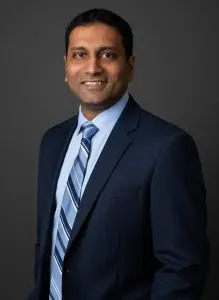
Mr Siva Kumar Veeramani
MBBS, BMed.Sci (Hons), MRCS, MBA, FRCS (Plast.). Consultant Plastic, Reconstructive & Cosmetic Surgeon practising across London, Kent, Surrey and Sussex. GMC 6114710.
About Mr Siva Kumar →