Is skin cancer treatment expensive?
What private skin cancer treatment costs, what affects the price, how insurance works, and how private and NHS care fit together.
The short answer: on the NHS, skin cancer treatment is free. Privately, removing a straightforward skin cancer with me starts from £850, plus £160 for laboratory analysis (histology). A more complex repair, such as a skin flap or graft after removing a basal cell carcinoma, starts from £1,950 plus histology. If you have private medical insurance, skin cancer treatment is usually covered. Going private is about speed, continuity and choice, not about better cancer care.
I want to say one thing first. If you’re worried about a mole or a patch of skin, cost should never be the reason you don’t get it looked at. Your GP can refer you urgently on the NHS, and the NHS treats skin cancer very well. I work in NHS skin cancer services as well as privately, and I see the same standards in both. In this article I set out what private skin cancer treatment costs, what affects the price, how insurance works, and the questions to ask so there are no surprises.
How common is skin cancer in the UK?
Skin cancer is the most common cancer in the UK. According to Cancer Research UK, there are around 156,000 new cases of non-melanoma skin cancer every year, mostly basal cell carcinomas (BCCs) and squamous cell carcinomas (SCCs), and around 19,000 to 20,000 new cases of melanoma. Melanoma rates have reached a record high and are projected to keep rising, largely because of past sun exposure and an ageing population.
The good news is that the large majority of skin cancers are cured by removing them completely, especially when they’re found early.
What does private skin cancer treatment cost?
These are the guide prices for skin consultations and treatment with me at The Ü Clinic:
- First consultation: £250
- Follow-up consultation: £150
- A single mole examined with the mole mapper: £250
- Full mole mapping: £450 for your first session, £350 for repeat sessions
- Mole removal with stitches: £495, and £375 for each additional mole
- Skin cancer removal (BCC, SCC or melanoma) with the skin stitched closed: from £850
- BCC removal with a local flap or skin graft: from £1,950
- Laboratory analysis (histology): £160
- Cryotherapy (freezing): £40 for one area, £20 for each additional area
Your exact fee depends on the size and position of the skin cancer and the type of repair you need, and I always confirm it in writing before treatment. You can see all my prices on the prices page, and more about mole removal on the mole removal cost page.
“People are often surprised that most skin cancer surgery is a short procedure under local anaesthetic, in clinic, and that they’re home within the hour. It’s usually far less daunting, and less expensive, than they expected.”
Mr Siva Kumar, consultant plastic surgeon
What makes skin cancer surgery cost more?
- Size and position. A small skin cancer on the back can usually be removed and stitched closed in clinic. A larger one on the nose, eyelid or ear may need a flap or a graft to repair it well, which takes longer and needs more skill.
- The type of skin cancer. After a melanoma has been diagnosed, a second, wider operation is usually needed, and sometimes a sentinel lymph node biopsy under general anaesthetic.
- Mohs surgery. For some basal cell carcinomas on the face, Mohs surgery is the best option. The cost depends on the number of layers needed and the size of the repair, which I carry out the same day. My article on Mohs surgery explains when it’s worth considering.
- Clinic or hospital. Most skin cancer surgery is done under local anaesthetic in clinic. Operations under general anaesthetic take place at one of my partner hospitals, which adds hospital and anaesthetist fees.
- More than one lesion. If several areas need treating, they can often be done at the same visit, which reduces the overall cost.
What isn’t included in the price?
A good quote should leave no surprises. When comparing costs, check whether these are included:
- the consultation fee
- histology (laboratory analysis), which should always be done
- dressings, wound checks and stitch removal
- follow-up appointments to discuss your results
- any further surgery if the edges aren’t clear
- hospital and anaesthetist fees, if a general anaesthetic is needed
Be wary of very low prices for “mole removal” that don’t include histology. Every mole or skin lesion that’s removed should be examined under a microscope, because that’s the only way to be sure what it was.
Is skin cancer treatment covered by insurance?
Usually, yes. Skin cancer is a medical condition, so private medical insurance normally covers your consultation, surgery and histology, subject to your policy. Things to check with your insurer before you book:
- Do you need a GP referral? Most insurers ask for one, though some now accept self-referral or a referral from their own digital GP.
- Is there an outpatient limit? Many policies limit outpatient cover, and skin cancer surgery done in clinic may count as outpatient treatment.
- What’s your excess? You pay this before the insurer pays.
- Do you need pre-authorisation? Always get an authorisation number before treatment.
- Is it a pre-existing condition? If you had the mole or symptoms before your policy started, it may be excluded.
Your insurer will need my full name, Mr Siva Kumar Veeramani, and my GMC number, 6114710.
Is private skin cancer treatment worth it?
For many people, the main benefits are speed and peace of mind. Under NHS standards in England, people referred urgently with suspected cancer should have cancer diagnosed or ruled out within 28 days, and start treatment within 62 days if needed. Skin cancer services generally perform well against these targets, but waits for non-urgent lesions, such as low-risk BCCs, can be longer.
Going private usually offers:
- Speed. You can usually be seen within days, without waiting for a referral, and have your treatment soon afterwards.
- A consultant operating. I see you, plan your treatment and carry out your surgery myself.
- Faster histology. Your results usually come back sooner, so you’re not left waiting, and I go through them with you myself.
- Dedicated wound care. Your dressings, wound checks and stitch removal are looked after by our own team.
- Support 24 hours a day. If you’re worried about anything after surgery, you can reach us day or night.
- Choice of place and time. You can be seen at The Ü Clinic in Sevenoaks or Oxted, or at one of my partner hospitals, at a time that fits around your work and family.
Just as important is continuity: you see the same consultant from your first appointment to your last. Because I also work within NHS skin cancer multidisciplinary teams, if your result means you need more treatment, I can explain exactly what happens next and make sure you’re referred on smoothly.
“Waiting to find out whether something is cancer is often the hardest part. A lot of what people are paying for privately is simply not having to wait with that worry.”
Mr Siva Kumar
Related question: Private skin cancer surgery: why would you choose it?
Can I switch between private and NHS care?
Yes. Having your first consultation or operation privately doesn’t stop you being treated on the NHS later. If your histology shows that you need more treatment, such as further surgery, scans or treatment from an oncologist, I’ll explain your options clearly, and these can include treatment on the NHS. The reverse is also true: you can be diagnosed on the NHS and choose to have your surgery privately.
What if my result shows something more serious?
Most skin cancers are cured by removing them completely. For melanoma, the histology report tells us how thick the melanoma is, which guides what happens next. If you need more treatment, I’ll talk you through it in person, never just by letter, and you will have a named contact throughout.
How can I lower the cost of skin cancer care?
- Get things checked early. Small skin cancers are simpler, quicker and cheaper to treat than large ones, and the cure rate is higher.
- Check your skin monthly. Knowing your skin means you’ll notice changes sooner. My article on when a mole needs to be checked explains what to look for.
- Use your insurance. Many people forget they have cover through work.
- Have several lesions treated at once where it’s safe to do so.
- Protect your skin. Prevention is the cheapest treatment of all.
Quick questions
Is histology included in the price?
No. Laboratory analysis is £160 and is charged separately. Every skin cancer and every mole I remove is sent to the laboratory.
Can a mole be checked and removed on the same day?
Often, yes. A same-day mole removal, including your consultation, the removal and one review with dressings and stitch removal, is £695, plus £160 for histology.
How much does it cost to remove a BCC privately?
A small BCC that can be removed and stitched closed starts from £850 plus histology. If it needs a flap or graft, it starts from £1,950 plus histology. You can read more in BCC vs SCC: what is the difference?
How much does melanoma treatment cost privately?
Removing a suspicious mole starts from £495 plus histology. If it’s a melanoma, the wider excision that follows starts from £850. A sentinel lymph node biopsy is done in hospital under general anaesthetic and is quoted individually. For most people with insurance, all of this is covered.
Can I pay in instalments?
Ask our team about payment options when you book. For most skin cancer treatment, the cost is modest compared with other surgery.
Is skin cancer treatment cheaper abroad?
Sometimes, but follow-up matters with skin cancer, and results, further treatment and monitoring are much easier to arrange close to home.
Next steps
If you’d like a skin cancer checked or treated privately, you can book a consultation at The Ü Clinic in Sevenoaks or Oxted. If you’re not sure, start with your GP. The important thing is to get it looked at.
Sources
- Cancer Research UK. Melanoma skin cancer statistics. cancerresearchuk.org
- Cancer Research UK. Non-melanoma skin cancer statistics. cancerresearchuk.org
- NHS England. Cancer waiting times. england.nhs.uk
- NICE. Suspected cancer: recognition and referral (NG12). nice.org.uk
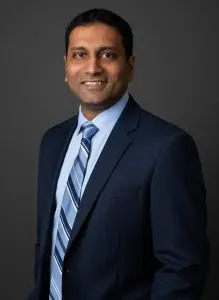
Mr Siva Kumar Veeramani
MBBS, BMed.Sci (Hons), MRCS, MBA, FRCS (Plast.). Consultant Plastic, Reconstructive & Cosmetic Surgeon practising across London, Kent, Surrey and Sussex. GMC 6114710.
About Mr Siva Kumar →